License plate lookup helps you check a vehicle’s details from its plate number and issuing state. You can confirm the year, make, model, trim and open recalls without needing the VIN first. Every state runs its own registration system, so the plate plus the state is what identifies the car. This page collects the official DMV links, plate formats and lookup steps for all fifty states, kept in one place. Type the plate into a trusted tool, pick the state, and review the match before you buy, sell or renew.
License plate lookup shows vehicle facts, yet it does not reveal who owns the car. U.S. privacy law protects a registered owner’s name, address and phone number, and those details stay with the DMV. You can still run a free plate check, compare title brands, spot salvage or flood damage, and read recall history. If a genuine reason applies, a formal DMV record request or a licensed investigator can obtain owner data. Choose your state below to start with an official source.
What Is a License Plate Lookup?
A license plate lookup pairs a plate number with the state that issued the plate, then matches that combination to vehicle records. Since plates are assigned during registration, the issuing state is what keeps a result accurate, and the same series can exist in several states on different cars. A result confirms the vehicle behind the plate, and it often returns the VIN, which is the key that opens title, odometer, auction and recall files.
How a Plate Connects to a Vehicle
Every registration record links a plate to a seventeen-character VIN, and that VIN never changes during the life of a car. Move to another state or replace a damaged plate and the number on the metal changes, yet the VIN stays the same. That fixed link is why a plate search can reach records a make and model search cannot, including salvage brands, flood history and open safety recalls.
Why the Issuing State Matters
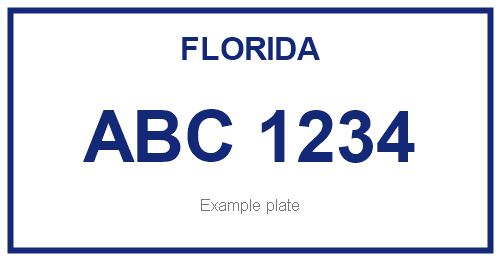
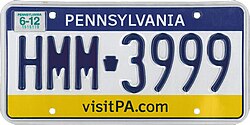
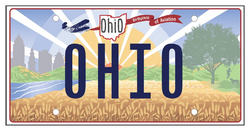
Plate formats differ by state. Most use six or seven characters of letters and numbers, and a few smaller states still allow short numeric series, so a plate reading ABC123 can belong to different vehicles in different states. Printing differs too, since many states stamp characters into the metal and others issue flat digital plates. Plates across North America have measured about six by twelve inches since 1956, so size rarely tells states apart.
What a Plate Number Can and Cannot Tell You
A plate number identifies a registered vehicle rather than a person. It can confirm the year, make, model and trim, and it can return the VIN, recall status and title events tied to that car. It cannot hand over the registered owner’s name, home address or phone number, since federal and state privacy law keeps that data with the motor vehicle agency. Only a permitted reason, a formal record request or the owner’s consent opens that part of the file.
How to Look Up a License Plate
A plate search takes a few minutes when you already know the state that issued the plate. Work through the four steps below in order, and check every character against the metal before you trust what comes back. If the returned vehicle does not match the one in front of you, start again from the plate rather than assuming the record is wrong, since a single mistyped character sends the request to a different car.
Start With the Complete Plate Number
Read the plate in good light and write down every letter, number and symbol in the order shown. Confirm the state name or code printed on it, since the plate plus the state is the pair that identifies one vehicle. A phone photo is worth taking if you plan more than one search, since a single swapped character sends the request to a different car and returns a different set of records.
Choose the Issuing State
Select the state that issued the plate rather than the state where you live. Plates travel, and a car registered elsewhere carries that state’s records even when you see it in your own neighborhood. The state is usually printed across the top or bottom of the plate, and a decorative frame can hide it, so move closer or zoom in before you commit to a state.
Enter the Plate and Review the Match
Type the characters exactly as they appear, then read the result against the vehicle in front of you. The year, make, model and trim should line up, and the VIN should look plausible for that car. When something does not fit, retype the plate and confirm the state rather than assuming the record is wrong, since a mistyped character is the most common cause of a mismatch.
Open the Record You Need
Once the match is right, go straight to the record that answers your question. A buyer reads title brands, odometer readings and accident history, a lender confirms the VIN, and a driver chasing a toll or camera ticket follows the issuing agency. For anything involving the owner’s identity, move to the state motor vehicle agency and file a formal request with a permitted purpose.
What a License Plate Lookup Returns
The depth of a result depends on the state and on the vehicle, yet the same core set of facts appears on most reports. A basic search stops at the car, and a history report built on the VIN it returns goes deeper into ownership events, mileage and safety notices. Read the entries that matter to your decision rather than every line, and treat a missing field as missing data rather than proof that nothing happened.
Vehicle Details You Can Confirm
A basic search returns the year, make, model and trim, plus the body type, engine and fuel type. Those details let you check that the plate belongs to the car you can see, which matters when a seller describes a vehicle that does not quite match the photographs or the listing. The VIN printed with the result ties every later record to the same car.
Title, Odometer and Recall Data
With the VIN in hand, a vehicle history report adds title brands such as salvage, rebuilt or flood, along with odometer readings over time, auction listings and any open safety recall. Those entries explain why a price looks low, and they are the reason a plate search is worth running before money changes hands rather than after the paperwork is signed.
What Stays Hidden
A registered owner’s name, address, phone number and driver’s license details stay closed under the Driver’s Privacy Protection Act and state rules. No public lookup returns them. A service that promises owner data for a small fee is either reselling a stale directory or collecting your payment and personal details, so treat any such offer as a warning sign.
Look Up a License Plate by State
Every state maintains its own plates and its own records, so the state that issued the plate decides where a search begins. Click a state on the map below to open its page, where the lookup options, plate classes, fee schedule and replacement rules sit in one place. Each page links to the official agency that holds the record, which is the source to trust when a fee or a deadline decides what you do next.
State Agencies and Their Portals
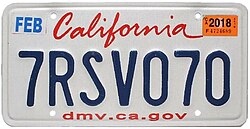
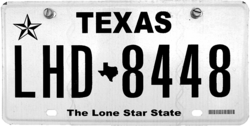
Each state runs its own motor vehicle agency, and the name changes with the address. Texas splits registration between the state DMV and county tax offices, California keeps plates and titles under its DMV, and several states place registration with a revenue department. The state pages here point to the agency that actually holds the record, so you begin at the right door instead of a reseller’s copy of public data.
Plate Formats Across the Fifty States
Formats vary enough that a plate number alone is not unique. Some states use three letters and three numbers, others mix seven characters, and a handful still issue all-numeric plates for older registrations. States recycle numbers once a vehicle leaves the road, so the same plate can describe two different cars years apart. Naming both the state and the plate is what keeps a lookup on target.

Free vs Paid License Plate Lookup
Cost is the first question most people ask about a plate lookup, and the honest answer is that free and paid tools answer different questions. A free check settles whether a plate belongs to the car you can see, though a paid report follows the VIN into title, mileage and recall history. The table below sets the two routes side by side, so you can see which one fits the question in front of you.
Vanity, Specialty and Temporary Plates
Not every plate on the road is a standard issue. Three categories cover most of the exceptions, and each one carries its own rules, its own ordering process and its own place in the fee schedule. Custom plates carry a serial you choose, specialty plates raise money for a cause or a team, and temporary tags cover a short window after a sale. The sections below take them in that order.
Custom and Vanity Plates
Custom plates, called vanity or personalized plates, carry a serial you choose. All fifty states and the District of Columbia offer them, each with its own rules on length, symbols and blocked words. States reject serials that read as profanity, threats or hate speech, and a personalized plate almost always costs more than a standard issue. Virginia holds the highest share of vanity plates in the country.
Specialty and Organizational Plates
Specialty plates raise money for a cause, a college or a sports team, and they sit on the same registration record as a standard plate. Most carry an annual fee on top of registration, and some require proof of membership before the state issues them. The annual charge continues every year you keep the plate, so treat it as a subscription rather than a one-time purchase.
Temporary Tags and Permits
Temporary tags cover a new purchase, a move or a rebuilt vehicle for a short window. They are printed on paper or issued as a digital permit, and they expire on a fixed date, often within thirty days. Driving on an expired tag invites a citation and can leave the registration unsupported, so check the date printed on the tag rather than the date of the sale.
Why People Run a License Plate Search
People reach for a plate search for practical reasons rather than idle curiosity, and most of those reasons come down to money, safety or a bill that names the wrong driver. A buyer wants to know what a listing hides, a seller wants to know what a stranger will find, and a driver wants to clear a toll or a parking charge. The three situations below cover the bulk of those searches.
Buying or Selling a Used Vehicle
A plate search confirms that the car in the listing is the car in front of you, and the VIN it returns opens the history report that tells you what a photograph cannot. Look for salvage, rebuilt or flood brands, breaks in the odometer record and open safety recalls. For a seller, the same check shows what a buyer will find, which is better to know before a stranger asks.
Checking a Vehicle Before You Meet
When a car sits outside your home for days or a stranger offers you a ride, the plate is the one identifier you can read without asking permission. A lookup confirms the year, make and model you can already see, and that match settles most doubts about an unfamiliar vehicle. Anything deeper, such as whether the driver holds a valid license, is not part of a plate record, so do not pay for it.
Insurance, Towing and Parking Disputes
Insurers, towing companies and parking operators all work from the plate number. If a tow or a ticket names a plate you do not recognize, ask the issuing company for the citation number and the state, then check the plate against your own registration. A wrong character in their system is a common cause of a bill addressed to the wrong driver.
Is It Legal to Look Up a License Plate?
Looking up a plate number is legal in every state, and the tools are public. What the law limits is what you may do with a person’s information once you have it, and those rules apply to anyone who obtains a motor vehicle record rather than to the search itself. The three sections below cover the federal floor, the duties that fall on businesses, and the narrow path to owner data.
Federal Privacy Protections
The Driver’s Privacy Protection Act of 1994 restricts the release of personal information held by state motor vehicle agencies. A name, street address, phone number, photograph and driver’s license number are all covered, and so are medical and disability details attached to a record. The law lists permitted uses, including insurance claims, court proceedings, fraud checks and government work, and idle curiosity is not among them.
Rules That Apply to Businesses
A business that obtains personal data from a motor vehicle record must have a permitted purpose and must keep records of each request. States audit those requests, and misuse can bring civil penalties. Companies that resell plate data operate under the same limits, which is why a legitimate report stops at the vehicle and never reaches the owner.
When You Can Request Owner Data
If you have a genuine reason, such as a hit and run, an unpaid judgment or a lien, the state can release a record to you. The request usually needs a form, identification and a statement of purpose, and the agency charges a small fee. An attorney or a licensed investigator can obtain the data on your behalf when a matter is heading to court.
License Plate Lookup vs VIN Lookup
Both searches describe the same car, and each one starts from a different piece of information you can find on the vehicle. The plate is what you can read from a distance, and the VIN is what survives repaints, plate swaps and moves between states. Knowing which number suits the question in front of you saves a wasted search. The table below sets the two numbers side by side.
Frequently Asked Questions
These are the questions readers send most often about plates, privacy and fees. Each answer is short and points to the rule or the agency behind it, so you can confirm the details on an official source before you act. If your question turns on a number rather than a rule, the fees page for the issuing state carries the current schedule.
What Information Does a License Plate Lookup Give?
A plate search returns vehicle details such as the year, make, model and trim, along with the body type, engine and fuel type in most states. It often returns the VIN as well. Add a history report to that VIN and title brands, odometer readings, auction listings and open recalls appear too. What it will not return is the registered owner’s name or address.
Can I Find the Owner of a Car by Its Plate?
No. A registered owner’s name, home address and phone number stay private under the Driver’s Privacy Protection Act and the matching state rules, and no public lookup reaches them. Only a permitted reason, a formal record request filed with the state motor vehicle agency, or the owner’s written consent can open that file. A site that offers owner details for a small fee is selling something it cannot legally hold.
Is a License Plate Lookup Free?
Basic checks are free, and they confirm the year, make and model tied to a plate. Full history reports, title brands, odometer records and auction photographs usually require a small payment, since the data behind them comes from paid sources. Expect a few dollars for a single report and more for a subscription, and read the billing terms before you enter a card.
How Accurate Is a License Plate Lookup?
Accuracy rests on two things, the plate number and the state you pick. A single wrong character or the wrong state sends the search to a different vehicle and returns records that belong to someone else. Confirm both against the metal before you read the result, and if the returned make and model do not match the car in front of you, retype the plate instead of assuming the file is empty.
Do I Need the VIN to Run a Lookup?
No. The plate number plus the issuing state is enough for a basic search, and most states return the VIN along with the vehicle description. That VIN is what unlocks the deeper records, including title history, odometer readings, auction photographs and open recalls, so copy it down when it appears and use it for the paid report rather than paying for a second plate search.
How Do I Check Whether a Vanity Plate Is Available?
Each state motor vehicle agency runs an availability tool for personalized plates, usually from the same online portal that handles renewals. Enter the serial you want and the system reports whether it is free, and most states screen the request against a list of blocked words, so a serial that reads as profanity, a threat or hate speech will be refused even when nobody else holds it.