California license plate lookup starts with the state that issued the plate, and in California that work belongs to the California Department of Motor Vehicles. A plate number plus the California tag confirms the vehicle, its registration status, and any recall tied to it, and it often returns the VIN behind the plate, which is why the department remains the first stop for any question about a California vehicle.
California license plate lookup cannot reveal the registered owner’s name or address, and that limit comes straight from federal and state privacy law. The department keeps personal data with the vehicle file and releases it only when a permitted reason applies, such as a court matter, an insurance claim, or the owner’s written consent, so it helps to know what is open and what stays protected before you file anything.
Relevant Pages
- California License Plate Lookup
- California DMV License Plate Lookup
- California License Plate Owner Lookup
- Free California License Plate Lookup
- California Reverse License Plate Lookup
- California Custom and Vanity Plates
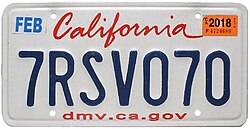
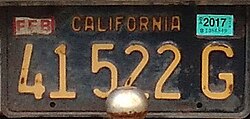
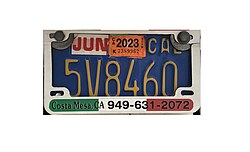
- California License Plate Types
- Replace a Lost or Damaged California Plate
- California License Plate Fees
- Check California Tickets and Tolls by Plate
- California VIN Lookup by Plate
How to Look Up a California License Plate
A California plate lookup follows a short path, and the result depends on entering the plate with care and choosing the right source for the record you need. The steps below cover the routine from the characters on the plate to the returned vehicle record, and they work for an owner, a buyer, and anyone who can see the vehicle.
Start With the Complete Plate Number
Read the plate in good light and note every letter, number, and symbol, since one wrong character sends the search to another vehicle entirely and returns a different set of records. Confirm the California name printed on the plate, and take a photo if you are recording it for later, since the plate number plus the state is the pair that identifies exactly one car and nothing else.
Use the Official California DMV
The California DMV is the source that holds registration and title records, and its online tools handle an owner’s record request, a plate replacement, and a personalized order in one place. For another person’s data, the department needs a permitted reason and a completed request, so a stranger cannot use the same tool to reach a private file. Always treat the official portal as the final word on any record or fee.
Use a Vehicle History or VIN Search
A plate search often returns the VIN, and the VIN then opens a vehicle history report with title brands, odometer readings, and auction records that a plate alone may not show. If the VIN is not returned, request it through the California DMV for your own vehicle, and keep in mind that the VIN never changes, so it stays the stronger key to the history once you hold it.
Review the Search Results
Check that the returned year, make, and model match the vehicle in front of you before you trust the record, since a mismatch usually points to a mistyped character or the wrong state rather than a missing file. Retype the plate and confirm the state, and once the vehicle matches, open the specific records you came to see and keep a copy of anything that matters.
What a California Plate Lookup Can Show
A California plate search centers on the vehicle rather than the driver, and the depth of the record depends on the data that exists for that car. The sections below set out the facts a lawful search can return and the limits that apply, so you know what to expect before you rely on a result.
Vehicle Information
A basic result returns the year, make, model, and trim, along with the engine, fuel type, and body type. These facts confirm that the plate belongs to the car you can see, and they help a buyer match a listing against the real vehicle before money changes hands, which is often the whole point of the search.
- Year, make, model, and trim
- Engine, fuel type, and body type
- The VIN linked to the plate
Registration and Title Status
A record can show the registration status and any title brand, including salvage and rebuilt marks, for a permitted request. An owner pulls this file with the California DMV vehicle record request, and a permitted party uses the same tool with proof of the reason, which keeps the sensitive side of the file behind a proper purpose rather than open to anyone.
Recall, Odometer and Accident Records
Open safety recalls from the federal agency, odometer readings, and accident or auction entries follow the VIN, so a plate search that returns the VIN opens the door to each one. A clean result means no matching entry was found in the sources checked, not that nothing ever happened, so treat it as a strong sign and not a guarantee.
What a Result Cannot Show
A California plate search does not hand over the registered owner’s identity, since a name, home address, phone number, and driver’s license number stay protected under the privacy law. A public tool that promises those details is misrepresenting what it holds, and the safe response is to close the tab and use the department instead.
Can You Find a Vehicle Owner by License Plate?
Owner lookup is the question people ask most, and the answer sits behind privacy law rather than a search box. The sections below explain what is protected, what the law allows, and the routes that actually work for a legitimate need, so a real case can move forward without breaking the rules.
Owner Name and Address Searches
A California owner’s name and address do not come from a free or paid website, whatever an ad claims. Public tools that sell those details for a few dollars are guessing or reselling old data, and a site that promises a name and an address for a small fee is a warning sign rather than a shortcut to real records.
The Driver’s Privacy Protection Act
The Driver’s Privacy Protection Act of 1994, at 18 U.S.C. 2721, restricts how state agencies share personal data held in a motor vehicle record, and California adds its own limits on top. The rule follows the person rather than the car, which is why a name, address, or phone number stays private, and opens only when a listed purpose applies to the request.
DMV Records and Legitimate Requests
A permitted reason opens the file, and the list includes a court or insurance matter, a safety or theft case, a debt claim, work by a licensed investigator, and a request with the owner’s written consent. For your own car, the registration card, title, and insurance papers already carry the details you need, so no request is necessary at all.
- A court, arbitration, or insurance matter
- A safety or theft case
- Debt recovery or lien work
- A licensed investigator acting on a valid case
- A request with the owner’s written consent
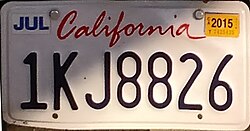
California License Plate Types and Formats
California issues several plate families, and the style signals how a vehicle is used and which fees apply. The sections below cover the main types and the rules that go with them, from a standard passenger plate to a personalized design and the front and rear requirement.
Standard, Commercial and Motorcycle Plates
Most private cars carry a standard passenger plate, though business vehicles and trucks take a commercial plate that follows weight-based rules and a different fee scale. Motorcycles and mopeds use a smaller plate of about 7 by 4 inches, and each style links to the same registration file, so a lookup returns the same vehicle facts whatever the plate looks like.
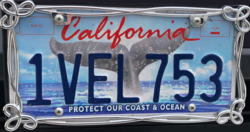
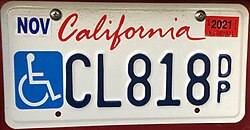
Personalized and Specialty Plates
A personalized plate carries a chosen serial, and a specialty plate carries a design that funds a cause, a college, or a team, with some designs combining both features in one order. Each one adds an annual amount that repeats with your registration, so the choice is a long-term one rather than a single purchase.
Front and Rear Plate Rules
California requires both a front and a rear plate on most passenger vehicles, trucks, and trailers, though motorcycles carry a rear plate only. A missing or unreadable front plate can draw a citation, so keep both plates clean, replace any that are damaged, and keep the registration stickers current so the plate reads as valid.
California License Plate Fees
California sets its plate and registration fees in the Vehicle Code, and the amounts below come from the department’s own fee schedule. The sections show the plate charges, the registration components, and the penalties that apply to a late payment, so you can plan a renewal or a purchase without a surprise at the counter.
Plate and Document Fees
These one-time charges apply when you order a plate or a document, and a standard or substitute plate, a registration card, a year sticker, and a duplicate title all sit at the same level, so the total stays easy to plan. A plate fee appears when something is lost, damaged, or never received, and a month sticker is free at a department office.
| Fee | Amount |
|---|---|
| Replacement license plates (standard or substitute) | $28.00 |
| Replacement registration card | $28.00 |
| Replacement year sticker | $28.00 |
| Replacement title | $28.00 |
| Permanent Trailer ID replacement plate | $7.00 |
Registration Fee Components
A California registration builds from several charges rather than one flat fee, and the base registration and the highway patrol fee stay fixed for most drivers, though the Transportation Improvement Fee and the Vehicle License Fee follow the value of the car and county charges vary by where you live. Since the total is a sum of parts, a driver can see exactly where each dollar goes.
| Fee | Amount |
|---|---|
| Original registration / renewal | $76.00 |
| California Highway Patrol (CHP) fee | $34.00 |
| Transportation Improvement Fee (TIF) | $33 to $231 |
| Vehicle License Fee (VLF) | 0.65% of value |
| Road Improvement Fee (ZEV) | $121.00 |
Late Penalties
California does not offer a grace period for registration, and the penalty climbs the longer a payment is overdue, with each tier combining a registration late fee, a highway patrol late fee, and a percentage of the Vehicle License Fee. Since the penalty is stacked from three parts, paying even a few days late adds a real amount, and the top tier can multiply the value-based charge several times over.
Ordering and Replacing California Plates
Beyond a standard issue, California handles replacements and custom orders through the same department, and the sections below cover a lost plate, a personalized order, and the tickets or tolls that can follow a plate and place a hold on a registration.
Lost, Stolen or Damaged Plates
Report a stolen plate to police first, then apply for a replacement through the California DMV online, by mail, or in person, and a standard or substitute plate costs $28. The department asks that you surrender any plates still in your possession, and a replacement cannot be issued when the registration is expired, so renew first if needed.
Personalized and Special Interest Orders
You can order a personalized or special interest plate online, after an availability check confirms the serial is free, and the plate ships to the address on file, so keep that address current. Expect extra processing time plus a card fee on online orders, and keep in mind that most designs carry an annual amount that repeats with your registration.
Tickets and Tolls by Plate
Parking and camera citations list the plate and a citation number, and toll agencies bill by plate when a transponder is missing. An unpaid citation or toll can place a hold on your California registration, so clear the balance before you renew, and check for an open balance whenever a renewal fails for no clear reason.
Frequently Asked Questions
These questions cover the points California drivers raise most often, from owner privacy and plate replacement to fees, VIN records, and the front plate rule. Each answer gives the short version first and then the detail behind it, and the official fee schedule holds the current figure for anything that changes.
How do I look up a California license plate?
Enter the plate number with California selected, using the California DMV or a trusted tool that mirrors public vehicle data. Official tools return the vehicle’s year, make, and model, and often the VIN. If the returned vehicle does not match, retype every character and confirm the state.
Can I find the owner of a California plate?
No. A registered owner’s name, address, and phone number stay private under the Driver’s Privacy Protection Act and California rules. Only a permitted reason, a formal DMV record request, or the owner’s written consent opens that file.
How much does it cost to replace California plates?
A standard or substitute plate replacement is $28, and a replacement registration card, sticker, or title costs $28 each. Replacements cannot be issued for an expired registration, so renew first.
Can I get a VIN from a California license plate?
Often, yes. A California plate search returns the 17-character VIN, which then opens title brands, odometer readings, auction records, and open recalls. Since the VIN never changes, treat it as the stronger key.
Is a California plate lookup free, and does California require a front plate?
A basic plate check is often free, though official records and replacements carry fees such as the $28 plate fee. California does require both a front and a rear plate on most vehicles, so a missing front plate can draw a citation.
California DMV Official Resources
For the moves, forms, and fees described on this page, use the official California DMV services listed below. The record request tool handles vehicle history, the fee schedule shows every charge, and the plates page covers orders and replacements, all through the same official source, the California DMV website at dmv.ca.gov.
- California DMV Home and Online Services:
- https://www.dmv.ca.gov/portal/
- California DMV Request a Record:
- https://www.dmv.ca.gov/portal/customer-service/request-a-record/
- California DMV Registration Fees:
- https://www.dmv.ca.gov/portal/vehicle-registration/registration-fees/
- California DMV License Plates:
- https://www.dmv.ca.gov/portal/vehicle-registration/license-plates-decals-and-placards/license-plates/
- California DMV Replacement Plates and Stickers:
- https://www.dmv.ca.gov/portal/vehicle-registration/license-plates-decals-and-placards/replacement-license-plates-and-stickers/