California free license plate lookups will not hand you a private owner’s name or home address, since state and federal law protect that information. What a free tool can do is confirm vehicle facts: the make, model, year, and registration status tied to a plate. That is genuinely useful when you are buying a used car, checking a suspicious vehicle, or trying to recover a towed one. This page shows what free searches return, how to run one from start to finish, and where the free route stops and an official California DMV record begins.
Free tools vary in quality, but the underlying data has limits no tool can remove. Some sites refresh their records often and show accurate vehicle details, though others display cached or recycled information that no longer matches reality. Knowing which facts are public and which are protected keeps you from wasting money on a report that cannot deliver what it advertises. The sections below cover what a free lookup returns, how to run a search, how the results apply to Frequent situations, and the privacy rules that apply no matter which site you use.
Relevant Pages
- California License Plate Lookup
- California DMV License Plate Lookup
- California License Plate Owner Lookup
- Free California License Plate Lookup
- California Reverse License Plate Lookup
- California Custom and Vanity Plates
- California License Plate Types
- Replace a Lost or Damaged California Plate
- California License Plate Fees
- Check California Tickets and Tolls by Plate
- California VIN Lookup by Plate
What a Free California Lookup Returns
A free lookup is best understood as a vehicle check, not a people finder. It answers questions about a car and stops short of questions about a person. That boundary is set by law, not by the budget of the website you happen to use. Once you know what belongs on each side of the line, you can read a free report accurately and ignore the upselling that suggests more is available.
The Vehicle Facts a Free Tool Shows
A typical free California plate lookup returns details drawn from registration data. You may see the make, model, model year, body type, and the state that issued the plate. Some tools report a registration status such as valid, expired, or suspended, and a few note whether the plate has been reported stolen or flagged. These facts help you confirm that a plate matches a specific car and that the car is legally registered. What a free tool does not show is the registered owner’s name, mailing address, or driver’s license number, since those are personal facts protected by the Driver’s Privacy Protection Act.
- Make, model, and model year.
- Body type and plate format.
- Registration status.
- Stolen or flagged plate notes.
What Usually Costs Money
Once you move past vehicle facts, cost enters the picture for a simple reason: the lawful record is not free to produce. The California DMV charges fees for many record requests, and those fees cover the work of verifying a permissible purpose and generating the document. Paid lookup sites occupy a murkier space. Some resell public vehicle data at a markup, though others imply that a fee will open an owner’s identity that no fee can lawfully open. Legitimate paid services are clear about what you are buying and why the price exists.
| Fee | Amount | Notes |
|---|---|---|
| Free vehicle facts check | $0 | Make, model, and registration status only. |
| Vehicle history report | Varies | Private service, price set by the provider. |
| California DMV record request | Varies | Set by the DMV and tied to a permissible purpose. |
| Safety recall check | $0 | Free lookup by VIN through the federal database. |
Free Tools vs Official Records
Free tools and official records serve different purposes, and mixing them up causes trouble. A free tool is fast, convenient, and useful for a quick confirmation. An official DMV record is slower, carries a fee in many cases, and is tied to a permissible purpose, but it is the version that stands up when something matters legally. Insurers, courts, and law enforcement rely on official records since their accuracy and chain of custody can be documented. For a used car purchase, you often want a vehicle history report alongside a free check. For a legal dispute or an insurance claim, you want the official record. Choose the source that matches the consequence of being wrong.
How to Run a Free California Search
Running a free California search takes only a few minutes if you have the plate in front of you. The moves are simple, but the order matters, since each check tells you whether the next one is worth doing. Start with the plate, confirm that the returned vehicle matches what you are looking at, and then take the free checks that add real value. The sections below walk through that sequence and point out where a free check gives you the most for nothing.
Start With the Plate Number
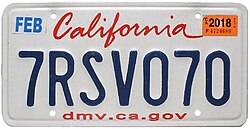
Begin by reading the plate carefully and entering it exactly, including any numbers and letters that look alike. California plates can contain a mix of letters and digits, and a single transposed character will return the wrong vehicle or nothing at all. Check for a specialty plate design, since some series differ from the standard format. Remove spaces except when the tool asks for them, and confirm the state is set to California rather than a default. If the tool allows a vehicle identification number as an alternative, the VIN is more precise and less prone to entry error.
- Read the plate in good light.
- Enter every character exactly.
- Confirm the state is California.
- Use the VIN when you have it.
Check the Returned Vehicle
When the tool returns a result, compare it against the car in front of you or against the listing you are reviewing. Does the make, model, and year match what you see? Does the body type line up with the vehicle’s shape? If the report describes a sedan and you are looking at a pickup, the plate belongs to a different car, which is itself important information. Read the registration status carefully, since an expired or suspended registration changes how you should proceed. For a used car, a mismatch can signal a switched plate, a cloned listing, or a plain data error.
Check a Recall for Free
A recall check is one of the most valuable free steps available, and it does not require personal data. Safety recalls are issued by manufacturers and tracked by the National Highway Traffic Safety Administration, which offers a free lookup by vehicle identification number. Since a recall is tied to the vehicle and not the owner, you can run it without any privacy concern. Enter the VIN from the car’s windshield or door jamb and review any open campaigns. Many recall repairs are performed at no cost to the owner, so an open recall is a bargaining point in a used car purchase and a safety issue for a car you already drive.
Free California Lookup by Situation
The same free lookup serves very different goals depending on why you are running it. A used car shopper wants confirmation and history, a curious neighbor wants to understand why a car is parked nearby, and someone with a towed vehicle wants to know where it went. Free tools help with all three, but each situation has its own limits and its own better next move. The sections below match the search to the situation so you get the most out of it.
For a Used Car
If you are buying a used car, a free plate lookup is a first filter, not a final answer. Use it to confirm that the plate and the advertised vehicle match, and that the registration is in good standing. Then move to a full vehicle history report and a recall check by VIN, since a plate search alone will not reveal prior accidents, salvage branding, or odometer problems. Ask the seller for the VIN and compare it to the one on the car, since a plate and a VIN should describe the same vehicle. A mismatched or expired registration is a reason to ask hard questions before money changes hands.
For an Owner Question
People often run a lookup since they want to know who owns a car, but the free route stops at the vehicle. You can find what the car is and whether it is properly registered, and that is where lawful public use ends. If you need to reach an owner, think about the purpose behind the request. A parking problem is usually handled by property management or the police. A minor collision is handled by your insurer. A legal dispute is handled by your attorney. Each of those channels can request owner data lawfully, though a free lookup cannot.
For a Towed Vehicle
If your car was towed, you usually do not need a lookup at all: you need the agency that took it. California requires towing companies to report vehicles to local law enforcement, and the police or the city can tell you where the vehicle was stored. Check the signs at the location where you parked, then call the number on the sign or the local police non-emergency line and provide your plate and VIN. If the car was towed for parking violations, be prepared to pay accumulated fees, since storage charges grow daily.
Accuracy, Privacy and Safety
Two forces shape every lookup result: the quality of the data that was entered and the legal limits on what may be shown. A perfect database still returns a poor answer if a single character was typed wrong, and a flawless entry still cannot open a protected identity. Knowing both forces helps you read results with healthy skepticism. The sections below cover why accuracy depends on the entry, the privacy limits that always apply, and the warning signs of a shady service.
Why Accuracy Depends on the Entry
Lookup results are only as good as the detail you provide and the source behind it. A mistyped plate returns a different vehicle or no result, and a plate that has been reissued can point to a car that is no longer associated with it. Some free databases are refreshed slowly, so a vehicle sold last month may still appear under its previous registration. Others pull from multiple sources and blend them without dates, which makes an old fact look current. When a result seems surprising, re-enter the plate, confirm the state, and try the VIN instead. Cross-checking two sources, or the car itself, settles most doubts faster than trusting a single report.
The Privacy Limits That Always Apply
No free tool can override the Driver’s Privacy Protection Act, and no California website can release an owner’s name and address to the general public. That limit is federal and state law, and it applies no matter how a site markets itself. Vehicle facts remain available since they describe the car, though personal facts stay protected since they describe a person. This is why a search can tell you that a plate belongs to a 2018 sedan and still refuse to tell you who drives it. When you encounter a site that claims otherwise, the claim itself is the warning. The privacy line is not a temporary technical problem that a better tool will solve.
Warning Signs of a Shady Service
Red flags cluster around free lookup sites that promise too much. A guarantee of an owner’s name and home address for a California plate is the clearest one, since the DPPA makes that disclosure illegal for the general public. Requests for your Social Security number, a full driver’s license number, or payment by gift card and cryptocurrency point to identity theft or fraud. Hidden fees that appear only after you enter card details, a missing company name and address, and reviews that read like filler all signal the same thing. Legitimate tools state their limits, cite the law, and charge predictably when they charge at all.
- Guarantees a home address.
- Asks for a Social Security number.
- Accepts only gift cards or crypto.
- Hides its company identity.
Frequently Asked Questions
These are the questions people ask most when they search for a free California plate lookup. The answers reflect how state and federal privacy rules actually work, so a few of them say no where other sites say yes. For anything with legal or financial consequences, confirm the details with the California DMV or a licensed professional before you rely on them.
Is a free California plate lookup actually free?
The vehicle facts portion is often free, and it can show make, model, year, and registration status. Many sites charge for history reports or extras, so read the fine print before entering payment details. A site that hides its fees until after you commit is a poor choice regardless of price.
Can a free lookup show the registered owner’s name?
No. The Driver’s Privacy Protection Act prevents general public release of an owner’s name and address, so no legitimate free tool can show them. Anyone promising that result is either misrepresenting the data or breaking the law. For a lawful request, go through the California DMV with a permissible purpose.
What do I need to run a free California plate search?
You need the license plate number exactly as it appears, and the state set to California. A vehicle identification number is even more precise if you can reach the vehicle. No personal information about yourself should be required for a basic vehicle facts check.
How accurate are free California lookup results?
Accuracy depends on the data source and on how carefully you entered the plate. Some free databases update slowly, so recently sold or re-registered vehicles may show stale details. Confirm anything important with a second source or with the car itself before you rely on it.
What should I do if a free site asks for my Social Security number?
Leave the site immediately. No legitimate California vehicle facts lookup needs your Social Security number, and the request is a strong sign of identity theft or fraud. Report the site to the relevant consumer protection authorities if you can.
California DMV Official Resources
The California Department of Motor Vehicles is the authoritative source for registration, title, and record request information. Use these official channels instead of a third-party lookup when a result affects a purchase, a claim, or a legal matter. The department explains which requesters qualify and how to submit a proper request.
- California DMV Home and Online Services:
- https://www.dmv.ca.gov/portal/
- California DMV Request a Record:
- https://www.dmv.ca.gov/portal/customer-service/request-a-record/
- California DMV Registration Fees:
- https://www.dmv.ca.gov/portal/vehicle-registration/registration-fees/
- California DMV License Plates:
- https://www.dmv.ca.gov/portal/vehicle-registration/license-plates-decals-and-placards/license-plates/
- California DMV Replacement Plates and Stickers:
- https://www.dmv.ca.gov/portal/vehicle-registration/license-plates-decals-and-placards/replacement-license-plates-and-stickers/