California sells personalized, often called vanity, license plates to drivers who want a registration mark that says something about them. The state calls the chosen characters a serial, and that serial must pass a check before the DMV will build the plate. The process runs through the DMV rather than a private seller, and it follows a published set of rules for length, character type, and meaning. Since available serials are finite and popular choices disappear quickly, knowing how the check works and what the fees cover saves time and avoids a rejected order.
A personalized plate is a small purchase with a long tail, since the serial stays with the vehicle and the annual renewal adds a fee each year. California offers specialty plates tied to causes and organizations, and those come with their own rules and charges that can stack on top of personalization. Before choosing characters it helps to know which plate type you want, what the state will accept, and how long the order takes to arrive. The sections below cover availability, ordering, and the full fee picture, including replacement if a plate is lost or damaged.
Relevant Pages
- California License Plate Lookup
- California DMV License Plate Lookup
- California License Plate Owner Lookup
- Free California License Plate Lookup
- California Reverse License Plate Lookup
- California Custom and Vanity Plates
- California License Plate Types
- Replace a Lost or Damaged California Plate
- California License Plate Fees
- Check California Tickets and Tolls by Plate
- California VIN Lookup by Plate
Checking Availability in California
Before the DMV will make a personalized plate, it checks whether the serial you want is free and whether it meets the state’s rules. The check happens when you submit an application, and a serial that looks fine to you can still be refused by a reviewer. Availability is about more than whether someone already owns the exact characters, since the state screens for content and for combinations that could confuse law enforcement. Running the check early, ideally with a first and a second choice ready, is the simplest way to avoid a delay later in the process.
How the Availability Check Works
The DMV compares your requested serial against serials already issued, held, or reserved in its system. A serial that matches an existing personalized plate, or one that falls inside a standard series the state needs for ordinary registration, will not be approved. You can often test a candidate through the DMV’s online personalized plate application, which reports whether the configuration is available before you pay anything. Keeping a backup choice is wise, since a serial that is free today may be taken by another applicant before your paperwork is processed. The state may hold a serial back when it sits too close to something already in use, even when the characters are not identical. The check is a first filter rather than a guarantee, since the DMV performs a final review before production begins. Treat a green result as encouraging, and treat the official approval as the only confirmation that truly counts. If two candidates feel close, apply for the one you prefer first and keep the other as a fallback.
Rules a Serial Must Follow
California usually allows personalized serials of two to seven characters for autos and two to five for motorcycles, using letters, numbers, or a mix, with spaces and punctuation usually unavailable. The DMV will not issue a configuration that duplicates an existing plate, that resembles a standard series, or that it considers offensive or misleading. Combinations that could be read as an official, emergency, or government designation are refused as well. The state blocks serials that suggest a false status or that lean on well-known trademarked phrases. A request may be turned down if the reviewer believes it could be misread at a glance or cause confusion for law enforcement in the field. Since interpretation matters, a serial that seems harmless to you might still be rejected by the person who reviews it. Check the current character and content rules on the DMV site before you commit to an application. Specialty plate designs can carry their own character limits that differ from the standard personalized rule.
When a Serial Is Refused
A refusal can happen at the first check or after a manual review, and the reason is not always explained in detail. Frequent grounds include duplication of an existing plate, resemblance to a standard or exempt series, and content the DMV judges offensive, misleading, or in poor taste. Configurations that could be mistaken for a law enforcement, fire, or government designation are routinely denied. A serial that appears to promise a service the owner cannot legally provide may be rejected. If your first choice is refused you may submit another serial, and the application process allows a replacement selection without starting over. Reading the state’s content rules in advance reduces the chance of a rejection and the wait that follows one. A little restraint in choosing characters, especially around anything that resembles authority, keeps the process smooth and predictable. A refusal notice usually states the broad reason, and knowing it helps you adjust the next request instead of guessing.
- Duplicates an existing or reserved serial.
- Looks like a standard, exempt, or government series.
- Contains content the DMV finds offensive or misleading.
- Suggests an official status the owner does not hold.
Ordering a California Vanity Plate
Ordering a personalized plate in California is a defined sequence: choose the serial, submit the application, pay the fees, and wait for the plates to arrive in the mail. You can start online or at a DMV field office, and the state produces and ships the finished plates to your address of record. Specialty and personalized options can be combined, which changes both the form and the total cost. Preparing your serial choices, your vehicle information, and your payment method before you begin keeps the transaction quick and reduces the odds of an error that slows the order.
How the Search Runs
Begin by confirming your vehicle’s registration is current, since the DMV will not issue personalized plates for a vehicle with a lapsed or suspended registration. Choose your first and backup serials and run them through the DMV’s online availability check. Complete the personalized plate application with the vehicle’s current plate or VIN, your name, and your mailing address. A clear photo of the registration card helps you copy the VIN without a transcription error. Pay the applicable fees, which include a personalization charge and any specialty plate fee you selected along the way. Keep the receipt and note the expected delivery window, which is usually several weeks. When the plates arrive, install them and remove the old plates, then watch for the updated registration reflecting the new serial. Read the confirmation screen carefully to make sure the serial you typed is the serial you actually wanted.
- Confirm the registration is active before applying.
- Prepare a first and a backup serial.
- Have the VIN or current plate and payment ready.
- Keep the receipt until the new plates are mounted.
What to Prepare
Before you start, gather the vehicle identification number or the current plate number, the registered owner’s name and address, and a valid payment method. Decide whether you want a plain personalized plate or a personalized version of a specialty plate, since that choice affects the fees and the artwork that appears on the finished product. Check the vehicle’s registration status for any unpaid fees or holds that would block the order before it is submitted. A quick look at the renewal notice confirms whether the tags are current and whether any balance is outstanding. If the vehicle is leased, confirm that the leasing company permits a plate change, since the title holder may need to consent in writing. Having all of this in hand means the application can be completed in one sitting rather than across several frustrating attempts.
- Vehicle identification number or current plate number.
- Registered owner name and mailing address.
- A payment method with enough available balance.
- Your first and backup serial choices.
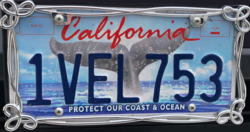
Personalized vs Specialty Plates
California separates two ideas that are easy to confuse. A personalized plate lets you choose the serial on a standard background, and the personalization fee applies to that choice. A specialty plate, such as an environmental, veteran, or organizational design, carries its own issuance and renewal charges that support a cause, and you may often personalize the serial on top of that design. Choosing both means paying both charges, and the annual renewal then reflects the combination. If cost matters more than the artwork, a standard personalized plate is usually cheaper over the years. If the cause matters, a specialty plate adds meaning but adds to the yearly total. Some designs are limited to eligible groups, so not every driver can order one. A specialty plate can be ordered without any personalization if you simply want the design. Compare the two options carefully before you apply, and read the summary so both charges are clear.
California Vanity Plate Fees
California charges for personalized plates through an initial fee and then an annual renewal fee for as long as you keep the serial. Specialty designs add their own charges on top of the personalization amount. The state publishes these figures, and they can change over time, so the amounts here are illustrative and should be confirmed on the DMV site before you budget. The tables below group the main cost items so you can estimate the total before you apply. Keep in mind that replacement, transfer, and late items can add to the base figure more than most people expect.
How the Fees Work
The personalized plate fee has two parts: an amount due when the plates are issued and an annual amount added to your registration renewal. The issuance charge is collected once, though the renewal charge repeats every year you keep the serial. If you attach the personalization to a specialty design, the specialty plate’s own issuance and renewal fees apply as well, so the totals stack rather than replace each other. Since the DMV updates its fee schedule from time to time, always check the current amount before budgeting. Renewal notices list the plate charge alongside the standard registration amount, so the total is easy to check at a glance. The key point is that a personalized plate is an ongoing cost, not a one-time novelty, and the annual figure belongs in your decision.
- Issuance fee paid once when the plate is made.
- Renewal fee added to each annual registration.
- Specialty design fees if you chose that option.
- Duplicate or transfer fees when they apply.
| Fee | Amount | Notes |
|---|---|---|
| Personalized plate issuance | $49 | One-time charge when the plate is first made. |
| Personalized plate renewal | $43 | Added to the annual registration renewal. |
| Specialty plate issuance | $50 to $103 | Varies by design and supports the sponsoring program. |
| Specialty plate renewal | $40 to $83 | Repeats yearly for as long as the plate is kept. |
Extra Charges to Expect
Beyond the base personalized fee, several costs can appear. A specialty design adds its own issuance and renewal amounts on top of the personalization charge. If you transfer the plate to another vehicle you own, the DMV may charge a transfer fee for the paperwork. Replacing a lost, stolen, or damaged plate usually carries a duplicate fee calculated per plate. If a registration renewal is late, penalties apply independently of the plate and can dwarf the plate fee itself. Some environmental and organizational plates carry a renewal amount that supports the program, and that charge continues as long as you keep the plate. Some cities charge a separate fee when a vehicle must be re-registered after a move, and that amount is unrelated to the plate. Adding these together before you apply avoids surprises, and the DMV’s current fee schedule remains the final word.
| Fee | Amount | Notes |
|---|---|---|
| Transfer to another vehicle | $25 | Applies when moving the plates to a vehicle you own. |
| Duplicate plate | $25 to $35 | Charged per plate when one is lost or damaged. |
| Specialty renewal | $40 to $83 | Continues yearly with the sponsoring design. |
| Late registration penalty | Varies | Separate from plate charges and based on the delay. |
Replacement of a Custom Plate
If a personalized plate is lost, stolen, or damaged, California issues replacements though keeping the same serial where the law allows. You report the loss or theft, then apply for a duplicate, and the new plates carry the same characters so your registration stays consistent with the record. The DMV charges a duplicate fee, usually calculated per plate, and you should surrender the remaining plate if only one is missing. A damaged plate must usually be turned in as well before a fresh one is issued. Filing a police report for a stolen plate is a good habit, since it documents the theft and can help if the plate is later misused. Until the replacements arrive you should not drive with a missing plate, since a missing front or rear plate can draw a citation. Order the duplicate as soon as you notice the loss so the gap stays short, and keep the report and the receipt in case a dispute ever arises.
- Report a stolen plate to the police first.
- Apply for a duplicate with the same serial.
- Surrender any remaining plate when required.
- Keep the receipt until the new plate arrives.
Frequently Asked Questions
These questions come up often when drivers in California order a personalized plate. The answers cover availability, rules, cost, timing, and transfers, and they reflect how the DMV usually processes requests. Fee figures change from time to time, so confirm current amounts on the DMV site before you budget for any part of the process, and keep your application receipt handy until the plates arrive.
How long does a California vanity plate take to arrive?
The DMV typically mails personalized plates several weeks after it approves the application and collects the fee. Specialty designs can take longer since they are produced in separate runs from standard plates. You can check the status through the DMV, and you should keep driving with your current plates until the new ones arrive and are mounted.
Can I transfer my personalized plate to another car?
Yes, in many cases you can move a personalized plate to another vehicle you own by notifying the DMV and paying a transfer fee. The plate must remain in good standing, and the receiving vehicle’s registration must be current. Confirm the exact steps with the DMV before you swap them, since the paperwork differs from a routine renewal.
What characters are not allowed on a California plate?
California refuses serials that duplicate an existing plate, resemble a standard or exempt series, or are judged offensive or misleading. Configurations that could be mistaken for a government, law enforcement, or emergency designation are denied. Check the DMV’s content rules before choosing characters so a rejection does not delay your order.
Is the personalized plate fee charged every year?
Yes. California collects an initial personalized plate fee when the plates are made and then adds an annual fee to the registration renewal for as long as you keep the serial. Specialty designs add their own recurring charges on top, so the total repeats each year. The annual amount should be part of your decision.
Can I personalize a specialty plate in California?
Yes. Many specialty plates, including environmental and organizational designs, allow a personalized serial, but you pay both the specialty plate fees and the personalization fee. The annual renewal then reflects the combination, so compare the total before you apply. Confirm that you qualify for the design before you spend time choosing characters.
California DMV Official Resources
The California DMV is the only official source for personalized plate availability, rules, and fees. The pages below cover the application, the fee schedule, and the specialty designs that can be personalized. Use them to confirm current amounts and to submit or track an order directly, rather than relying on a private seller or a summary that may be out of date.
- California DMV Home and Online Services:
- https://www.dmv.ca.gov/portal/
- California DMV Request a Record:
- https://www.dmv.ca.gov/portal/customer-service/request-a-record/
- California DMV Registration Fees:
- https://www.dmv.ca.gov/portal/vehicle-registration/registration-fees/
- California DMV License Plates:
- https://www.dmv.ca.gov/portal/vehicle-registration/license-plates-decals-and-placards/license-plates/
- California DMV Replacement Plates and Stickers:
- https://www.dmv.ca.gov/portal/vehicle-registration/license-plates-decals-and-placards/replacement-license-plates-and-stickers/