California assigns a distinct license plate to nearly every registered vehicle, and that plate is tied to a record in the state’s vehicle database. A reverse lookup starts with the plate characters you can see in a parking lot, a photo, or a handwritten note and works back toward the vehicle information attached to them. The California DMV holds the authoritative record, though private data services organize portions of publicly available data into a searchable form. Knowing what each source can confirm keeps expectations realistic and helps you decide whether a search is worth running at all.
Most people run a reverse plate search after a minor incident, a used car listing, or a strange vehicle parked on their street. The useful question is not whether any data exists, since registration records almost always exist, but which details are lawfully available and which are restricted to protected parties. Personal identifying information tied to the registered owner sits behind federal privacy rules, so a consumer search returns vehicle facts rather than a name and address. Keeping that boundary in mind prevents wasted effort and reduces the chance of relying on a service that promises more than the law allows.
Relevant Pages
- California License Plate Lookup
- California DMV License Plate Lookup
- California License Plate Owner Lookup
- Free California License Plate Lookup
- California Reverse License Plate Lookup
- California Custom and Vanity Plates
- California License Plate Types
- Replace a Lost or Damaged California Plate
- California License Plate Fees
- Check California Tickets and Tolls by Plate
- California VIN Lookup by Plate
How a California Reverse Lookup Works
A reverse lookup in California turns plate characters into vehicle facts by querying a database that relates the two. The state registers vehicles by plate, so the plate acts as a public index rather than a secret. Commercial services license fragments of that data and present them in a simple, searchable result. The mechanics are straightforward, but the reliability of the answer depends on the freshness of the source and on which fields a service is permitted to display. The sections below follow the path from a plate on a car to a usable, verifiable result.
From Plate to Vehicle
Every registration creates a record keyed to the plate characters and to the state that issued them. When you submit a plate to a lookup, the service normalizes the characters, strips spaces, and matches them against its data set. In California the plate format has changed across the decades, so a correct match must account for the issuing period. A modern seven-character plate, a legacy six-character plate, and a specialty plate with a distinct prefix all sit in different ranges. The service returns the vehicle make, model, model year, and often the VIN when the underlying record includes it.
- Normalize the plate by removing spaces, hyphens, and case differences.
- Confirm the issuing state before trusting any match.
- Check the age of the plate, since older formats use fewer characters.
- Compare the returned make and model against the car in front of you.
Why the State Tag Matters
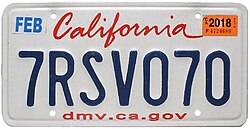
Plates are issued one per state, and the same set of characters can belong to entirely different vehicles in different states. A lookup that ignores the state tag can return a confident but wrong answer, matching a California plate against a Nevada, Arizona, or Texas record that happens to share the characters. California plates carry recognizable features, including the DMV marking and, on newer issues, a colored script design on a white background. Specialty plates add another layer of complexity, since environmental, veteran, and organizational plates run in their own series with distinct prefixes and numbering blocks. Naming the state in the query narrows the search to the correct registry and sharply reduces false matches.
What the Returned VIN Opens
The vehicle identification number is the most valuable single field a lookup can return, since it is unique to one vehicle for its entire life and cannot be reassigned. With a VIN in hand you can pull a history report, check open safety recalls, verify a title brand, and confirm the trim and engine fitted at the factory. The VIN lets you compare a listing against the actual car, since a seller cannot easily alter it without leaving visible tampering on the dashboard, the door jamb, or the engine bay. California records tie the VIN to the plate at registration, so the two should always describe the same vehicle.
What a California Reverse Lookup Returns
A California reverse lookup returns vehicle facts, not owner identities. The exact fields vary by service, but most results cluster into three groups: basic vehicle description, title and history data, and the limits that privacy law imposes. Reading a result means knowing which group each field belongs to, since the groups carry very different levels of confidence. A make and model drawn from a current registration is far stronger evidence than a year guessed from an old photograph. The next sections separate the reliable fields from the restricted ones so you can weigh each item correctly.
Vehicle Details
The core return is a description of the vehicle: make, model, model year, body style, and often the VIN. Some services add engine type, fuel, and the number of cylinders drawn from factory data keyed to the VIN. Color may appear as well, but paint is frequently changed over a vehicle’s life, so treat color as a hint rather than proof of anything. Registration status, such as current or expired, sometimes appears when the source refreshes regularly. California-specific fields like the plate type, for example a standard, personalized, or specialty series, can show. None of these fields identify a person, which is why they are the most freely returned.
Title, Accident and Odometer Records
History fields come from title and salvage records rather than from the registration alone. A title brand can reveal that a vehicle was salvaged, flooded, or rebuilt, and those brands are meant to follow the car across state lines when reporting is complete. Accident entries depend on whether an insurer or a police agency reported the event to a data aggregator, so a clean report is not proof that no accident occurred. Odometer readings appear at title transfers and inspections, and a sequence of readings that drops or stalls suggests rollback or long storage. California requires odometer disclosure on most transfers, which feeds these records over time.
What It Cannot Show
Federal and state privacy law draws a firm line around the registered owner’s identity. The Driver’s Privacy Protection Act restricts disclosure of names, addresses, and other personal data taken from motor vehicle records, and California adds its own limits on top of that federal floor. A consumer reverse lookup so does not return an owner name, a home address, a phone number, or a driver’s license number. It cannot show who was driving at a given moment, since a vehicle can be driven by a family member, an employee, or a borrower with permission.
When a Reverse Search Helps
A reverse search earns its place when you already have a plate and need a fact about the vehicle behind it. The Frequent situations are practical and low drama: vetting a used car, documenting a driving complaint, or tracing a recall or a tow. In each case the plate is the starting point and the vehicle record is the destination. Knowing which question the search can actually answer keeps you from expecting an identification it will never provide. The sections that follow cover the three most frequent uses and what a sensible result looks like in each one.
Confirming a Used Car
When a private seller lists a car online, the plate shown in the photo can be checked before you spend fuel driving out to see it. A reverse lookup confirms that the plate, the make, and the model line up with the advertisement, which is the first filter against a mismatched or cloned listing. The VIN then opens a history report, so you can review title brands, prior accidents, and odometer turns in one place instead of guessing from the seller’s story. A plate that returns a different vehicle, or a VIN that disagrees with the door jamb sticker, is a clear reason to walk away from the deal.
Reporting a Bad Driver
If a driver cuts you off, runs a red light, or leaves after a parking lot scrape, the plate is often all you have. A reverse lookup can tell you the vehicle make and model, which strengthens a police report since it shows the description came from a record rather than a guess. You still cannot lawfully obtain the owner’s name yourself, and attempting it through a service that offers such data exposes you to legal risk. Instead, give the plate, the vehicle description, the location, and the time to the police or through the DMV’s public complaint channels. The record supports your account, and the authorities handle the identification through their own lawful authority.
- Write the plate down exactly, including the state and any specialty prefix.
- Note the date, time, and nearest cross street.
- Record the vehicle color and any damage you can see.
- File the report right away, so details stay fresh.
Checking a Recall or a Towed Vehicle
A VIN obtained from a reverse lookup lets you run an open recall check against the manufacturer’s database, which is a free and authoritative check. Recalls cover safety defects such as airbags, brakes, and fuel systems, and an unrepaired recall can be a hidden risk in a used car you are considering. The same VIN or plate helps locate a vehicle that was towed in California, since tow operators and some city services allow a plate search to find where a car was taken and what it costs to recover it. Keep retrieval fees and daily storage charges in mind, since they add up quickly once a vehicle sits in a yard.
Running the Search and Avoiding Mistakes
The quality of a reverse lookup depends as much on how you run it as on the service you choose. Small input errors, a missing state tag, or a stale data set can send you toward the wrong vehicle. A disciplined process, meaning careful data entry followed by a sanity check, catches most of these problems before they matter. Legal limits shape what you can do with the result, so the process ends with a decision about permitted use. The next sections cover the moves, the Frequent errors, and the boundaries that apply in California.
How the Search Runs
Start by copying the plate exactly as it appears, including any specialty symbol or prefix, and note the state. Enter the characters in a single string without spaces and confirm the spelling before submitting. Run the search and read the returned make, model, year, and VIN. Where a VIN appears, feed it into a history and recall check rather than trusting the plate alone. Compare each returned field against what you can actually observe, such as the body style and the plate design. Save a screenshot or a copy of the result, since data can change after a registration update or a transfer.
| Fee | Amount | Notes |
|---|---|---|
| Basic plate lookup | Free to $5 | Often offered by private services at low or no cost. |
| VIN history report | $20 to $40 | Covers title brands, accidents, and odometer records. |
| Recall check | Free | Provided by the manufacturer using the VIN. |
| DMV record request | Varies | Set by the California DMV for eligible requesters only. |
Mistakes That Change the Result
The most Frequent error is dropping the state, which invites a match against the wrong registry and a plausible but false answer. Another is confusing lookalike characters, since a zero and the letter O, or a one and the letter I, are easy to transpose and produce a different vehicle. Using an outdated data service gives a result that reflects an older registration, so a car that changed hands last month may still show a previous record. Relying on color alone is risky, since repainting is Frequent after bodywork.
- Always include the issuing state with the plate.
- Double-check lookalike characters before resubmitting.
- Refresh the source if the registration may have changed recently.
- Treat color and trim as hints, not identifiers.
Legal Limits
The Driver’s Privacy Protection Act limits how personal information from motor vehicle records may be disclosed, and California law adds further restrictions on top of it. That means a lawful reverse lookup for most people returns vehicle data only, never the owner’s name or address. Using a plate to harass, stalk, or track a person is prohibited, and doing so can carry civil and criminal consequences that follow the person who ran the search. Some parties, such as insurers, licensed investigators, and certain government users, may reach more data for permitted purposes, but that route does not transfer to the general public.
Frequently Asked Questions
These are the questions people ask most often about reverse plate searches in California. The answers reflect the state’s registration system and federal privacy rules, which together define what any consumer-facing service can lawfully return. Read them as general guidance and confirm details with the California DMV for anything that affects a legal or financial decision. Where a choice carries real weight, let the DMV be the final authority rather than a third-party summary.
Can I get the owner’s name from a California plate?
No. Owner names, addresses, and other personal identifiers are protected under the Driver’s Privacy Protection Act and California law, so a consumer reverse lookup returns vehicle data only. Only specific permitted parties can reach personal records, and even they must document a lawful reason for the request.
Is a reverse license plate lookup legal in California?
Yes, checking the vehicle facts attached to a plate is legal for ordinary purposes such as vetting a used car or reporting a bad driver. What is not legal is using the data to harass or track a person, or misrepresenting yourself to obtain restricted records. Keep the purpose lawful and the result stays within bounds.
How accurate is a California plate search?
Accuracy depends on the data source and on how current it is. A search built on fresh registration records usually returns the correct make, model, and year, but a stale source may lag behind a recent transfer. Always verify a returned VIN against the physical vehicle before you rely on it.
What is the difference between a plate lookup and a VIN check?
A plate lookup starts with the visible plate and works toward vehicle details, often including the VIN. A VIN check starts with that unique number and returns history, title, and recall data. The two complement each other, and the strongest results come from using both together in sequence.
Do I need the state to run the search?
Yes. The same characters can exist on plates in many states, so leaving out California invites false matches that look convincing. Always include the issuing state, and confirm the plate design matches a California series before you trust the returned vehicle record.
California DMV Official Resources
The California DMV is the authoritative source for registration, title, and plate information. The official pages below cover the requests and records most often needed after a reverse lookup. Use them to verify a plate, order a record, or confirm a fee rather than relying on third-party summaries that may be out of date. The DMV publishes the current forms and fees for record requests on its own site.
- California DMV Home and Online Services:
- https://www.dmv.ca.gov/portal/
- California DMV Request a Record:
- https://www.dmv.ca.gov/portal/customer-service/request-a-record/
- California DMV Registration Fees:
- https://www.dmv.ca.gov/portal/vehicle-registration/registration-fees/
- California DMV License Plates:
- https://www.dmv.ca.gov/portal/vehicle-registration/license-plates-decals-and-placards/license-plates/
- California DMV Replacement Plates and Stickers:
- https://www.dmv.ca.gov/portal/vehicle-registration/license-plates-decals-and-placards/replacement-license-plates-and-stickers/