Replacing a California license plate is a routine DMV task that becomes necessary when a plate is lost, stolen, damaged, or no longer legible. The California Department of Motor Vehicles (DMV) issues replacement plates and stickers so a vehicle can remain legally registered and easy to identify. The process depends on why the plate is being replaced, since a stolen plate and a worn plate follow slightly different paths. Knowing the correct request up front saves a trip and helps the owner avoid problems with enforcement, tolling, and insurance records.
A replacement request has practical effects beyond the new metal. When plates change, the vehicle’s identifying number changes, so the owner must update records with insurers, parking services, and toll accounts. In some cases the DMV assigns a completely new plate number, though in others it may be able to issue a duplicate of the same characters. Fees, forms, and requirements vary with the situation and with whether the registration is current. This page covers the basics of replacing a California plate, the moves involved, the fees that may apply, and what to do once the new plate is in hand.
Relevant Pages
- California License Plate Lookup
- California DMV License Plate Lookup
- California License Plate Owner Lookup
- Free California License Plate Lookup
- California Reverse License Plate Lookup
- California Custom and Vanity Plates
- California License Plate Types
- Replace a Lost or Damaged California Plate
- California License Plate Fees
- Check California Tickets and Tolls by Plate
- California VIN Lookup by Plate
California Plate Replacement Basics
A California plate may need to be replaced for several reasons, and the reason shapes the request. Lost, stolen, damaged, and illegible plates each receive different handling at the DMV. The owner has to decide whether to keep the same characters or accept a new number. This section covers when a replacement is needed, how to report a stolen plate, and how to choose the right request before filing.
When You Need a Replacement
A California plate should be replaced when it is lost, stolen, damaged, or so worn that the characters can no longer be read. Faded reflective coating, peeling, cracks, and bent metal all count as damage that can make a plate illegal to display. A plate that was never received after registration is treated as a missing plate and needs replacement. Plates that are partially damaged but still legible may still draw a citation, since the law expects plates to be maintained in readable condition. When any of these situations applies, the owner should apply for replacement plates right away rather than continue driving with a defective plate.
Reporting a Stolen Plate
A stolen California plate should be reported to law enforcement before or alongside the DMV replacement request. Filing a police report creates an official record that the plate is no longer in the owner’s possession, which matters if the number is later used in a crime, a toll violation, or a parking ticket. The owner should keep a copy of the report and note the report number for future reference. When the DMV issues replacement plates for a stolen plate, the vehicle typically receives a new number so the stolen plate can no longer be tied to the vehicle.
Choosing the Right Request
Choosing the right request means matching the form to the situation. A lost or stolen plate calls for a replacement with new characters, though a damaged plate may allow the owner to keep the same number if the DMV can reissue it. Personalized plates add another layer, since the owner may want to retain custom characters and may need to request them again. Owners who are changing addresses or transferring a vehicle should handle those changes in the same visit when possible. Reading the DMV instructions for each situation first prevents a rejected application. When in doubt, describing the situation to DMV staff is the fastest way to select the correct request.
California Replacement Steps
The replacement process moves through a short sequence: submit the request, handle any remaining plates, and supply the documents the DMV asks for. The order matters most when a plate is stolen, since the police report should come first. For most owners the moves can be completed in a single DMV visit or by mail, depending on the situation. This section outlines the application, the surrender of old plates, and the paperwork that may be required.
Apply for Replacement Plates
To apply for replacement plates in California, the owner submits the DMV replacement request and pays the applicable fee. The request identifies the vehicle and states whether the plate was lost, stolen, or damaged. The DMV then either issues new plates with a new number or, when allowed, reissues plates with the existing characters. The owner should have the vehicle registration and identification ready when filing. Filing online or by mail is often possible for straightforward lost-plate requests. After the request is processed, the DMV mails the plates or provides them at an office, and the owner is expected to install them right away.
- Complete the DMV replacement request
- Pay the applicable plate fee
- Provide the vehicle registration details
- Install the new plates when they arrive
Surrender Remaining Plates
When a plate is replaced since it is damaged or no longer legible, the DMV may ask the owner to return any remaining plates. Surrendering the old plate keeps it out of circulation and confirms that it is no longer attached to the vehicle. If only one plate of a pair is damaged, the DMV decides whether both plates must be replaced so the pair matches. For stolen plates, the missing plate is already out of the owner’s hands, and the police report documents that fact. The owner should follow the DMV instructions on whether to mail the plates or hand them in at an office.
Documents You May Need
Documents for a replacement request depend on the situation, but a few items come up often. The owner usually needs the vehicle registration information and a completed replacement form, plus identification. A police report number is needed when the plate was stolen. If the vehicle is jointly owned or held in a trust, the applicant may need to show authority to act for the registered owner. Payment for the fee is required, and some requests can be completed online. Photocopies may be acceptable in some cases, though original signatures are required in others. Having these items ready shortens the visit. The California DMV lists the exact documents required for each type of replacement request.
California Replacement Fees
California charges fees for replacement plates, and the amount depends on the type of plate and the nature of the request. Some situations carry no plate fee, though others add processing or specialty charges. Whether the registration is current affects the request, since the DMV will not issue plates for a vehicle with lapsed registration without addressing that first. This section covers the fees, the cases where no fee applies, and the requirement that registration be up to date.
Plate and Document Fees
Replacement plate fees in California vary by plate type and by whether the owner keeps the same number. Standard replacement plates carry a set fee, though personalized and specialty plates can cost more since they involve custom characters or a special design. A duplicate registration card or sticker may add a small charge if the owner needs those items too. Fees are set by the DMV and can change, so the current amount should always be confirmed with the department. Some transactions carry a service fee when handled through a partner office rather than directly.
| Item | Amount | Notes |
|---|---|---|
| Standard replacement plate | DMV-set fee | Charged when new plates are issued for a lost, stolen, or damaged plate |
| Personalized plate replacement | Higher DMV-set fee | Custom characters add cost beyond a standard plate |
| Specialty plate replacement | Varies by design | Some designs carry an added or annual surcharge |
| Replacement sticker or registration card | Small DMV-set fee | Applies only if the owner needs these items |
| Stolen plate replacement | DMV-set plate fee | A police report supports the request but does not remove the plate fee |
| Reissue of the same number | Depends on eligibility | The DMV decides whether the original characters can be reissued |
When a Fee Does Not Apply
Not every replacement carries a plate fee. When the DMV issues new plates as part of a required plate change, such as converting an old series to a newer one, the department may provide them without a separate replacement charge. Plates that were never delivered after registration are typically reissued without an added fee since the owner already paid for them. A fee waiver can apply in limited cases defined by the DMV. Since exceptions are specific, the safest move is to confirm eligibility with the DMV rather than assume a waiver applies. Owners who believe they should not pay should ask the department to confirm before filing.
Registration Must Be Current
California usually will not issue replacement plates for a vehicle whose registration is expired or suspended. A plate is part of the registration record, so the DMV expects the registration to be in good standing before it replaces the plate. If the registration has lapsed, the owner may need to pay renewal fees, penalties, or resolve a suspension first. This is why the DMV may collect unpaid renewal charges at the same time as the replacement request. Owners should check the registration status before starting a replacement request so the transaction is not held up. Keeping registration current avoids delays and extra cost.
After Replacing a California Plate
Once the new plates arrive, a few tasks keep the vehicle and its records consistent. The plates must be installed correctly, and the owner should update anyone who relies on the old number. These steps protect the owner from toll charges, tickets, and insurance mix-ups tied to the previous plate. Both are simple, but skipping them can create avoidable problems later.
Fit the New Plate
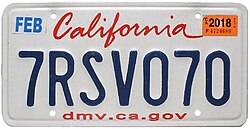
New California plates should be mounted in the same positions the old plates occupied, with the front plate at the front and the rear plate at the rear. The plates must sit flat, be attached with the proper fasteners, and be free of covers that obscure the characters. Frames and tinted covers that hide or distort the plate are not allowed, and a plate that cannot be read can lead to a citation. The new registration sticker goes on the rear plate in the designated space. Before driving, the owner should confirm that the characters match the registration card and that both plates, when required, are installed.
- Mount the front and rear plates in their positions
- Attach plates flat with proper fasteners
- Place the registration sticker on the rear plate
- Remove covers that obscure the characters
Tell Your Insurer
The vehicle insurer should be told when a California plate changes, since the policy identifies the vehicle by its plate along with the VIN. Updating the plate keeps the policy accurate and helps prevent a claim from being delayed over a mismatch. The owner should provide the new plate number and the date the change took effect. Toll accounts, parking permits, and any service that tracks the vehicle by plate should be updated at the same time. If the vehicle changed ownership or address, those updates should be made together. The California DMV record and the insurer record should agree once the change is complete.
Frequently Asked Questions
These questions address the most Frequent situations that lead California owners to replace a plate, along with the fees and follow-up steps involved. The California DMV is the official source for current forms, fees, and requirements.
How do I replace a lost or damaged California plate?
Submit a replacement request to the California DMV and pay the applicable fee. The DMV then issues new plates, usually with a new number, or reissues the same characters when allowed. Damaged plates may need to be surrendered with the request.
How much does it cost to replace California plates?
The DMV sets the fee, and the amount depends on the plate type. Standard plates cost less than personalized or specialty plates, which carry extra charges. Confirm the current fee with the California DMV before filing your request.
Do I have to return my old plates?
The DMV may ask you to surrender any remaining plates when they are replaced for damage or illegibility. For a stolen plate, the police report documents that the plate is missing from your possession. Follow the DMV instructions that apply to your specific situation.
Can I drive though waiting for replacement plates?
In many cases you can drive though the replacement is processed, but you should not drive with a missing, damaged, or unreadable required plate longer than necessary. Confirm with the California DMV whether any interim steps are needed. Installing the new plates right away after they arrive keeps the vehicle compliant.
Do I need to tell my insurance company about new plates?
Yes. Insurers identify vehicles by plate and by VIN, so a changed plate should be reported. Provide the new number and the effective date. Updating toll and parking accounts at the same time prevents mismatches later.
California DMV Official Resources
The California DMV publishes the official forms, fees, and instructions for replacing plates and updating registration records. Use these resources to confirm the requirements that apply to your specific situation.
- California DMV Home and Online Services:
- https://www.dmv.ca.gov/portal/
- California DMV Request a Record:
- https://www.dmv.ca.gov/portal/customer-service/request-a-record/
- California DMV Registration Fees:
- https://www.dmv.ca.gov/portal/vehicle-registration/registration-fees/
- California DMV License Plates:
- https://www.dmv.ca.gov/portal/vehicle-registration/license-plates-decals-and-placards/license-plates/
- California DMV Replacement Plates and Stickers:
- https://www.dmv.ca.gov/portal/vehicle-registration/license-plates-decals-and-placards/replacement-license-plates-and-stickers/