Delaware reverse lookup starts with a plate and works back toward the vehicle. Instead of searching by name or VIN, you enter the tag you saw and let the tool resolve it to a car description. That flow suits anyone who noticed a plate in traffic, in a parking lot, or in a photo and wants to know what kind of vehicle it belongs to. It is a narrow, practical tool with clear limits. It will identify a car and its public history, but it will not identify a person.
Knowing that boundary before you begin keeps the exercise useful and lawful. The name comes from the direction of the search, not from any special ability to unmask drivers. Reverse lookups run on the same public and commercial feeds as any other plate query, just aimed at a different starting point. Since the state that issued the tag drives the result, the jurisdiction matters as much as the characters. This page covers how the process works, what it returns, when it genuinely helps, and how to avoid the mistakes that produce confident but wrong answers. Read it as a manual for careful use rather than a promise of instant identification.
Relevant Pages
- Delaware License Plate Lookup
- Delaware DMV License Plate Lookup
- Delaware License Plate Owner Lookup
- Free Delaware License Plate Lookup
- Delaware Reverse License Plate Lookup
- Delaware Custom and Vanity Plates
- Delaware License Plate Types
- Replace a Lost or Damaged Delaware Plate
- Delaware License Plate Fees
- Check Delaware Tickets and Tolls by Plate
- Delaware VIN Lookup by Plate
How a Delaware Reverse Lookup Works
The logic is simple even when the plumbing is not. A reverse search takes the plate as the input key and matches it against registration and title feeds to produce a vehicle profile. Everything depends on the tag being read correctly and the issuing state being chosen correctly. Once those two facts are right, the tool can resolve the plate to a car and, in some cases, to a VIN that opens deeper records. The sections below follow that path from tag to vehicle and beyond.
From Plate to Vehicle
The tool treats the tag as a unique key inside one state’s numbering system. It looks up that key, finds the registration it points to, and returns the vehicle attributes attached to it. You supply the characters and the state; the service supplies the match. If either input is off, the result describes a different car with the same pattern. That is why the entry details matter more here than in almost any other search. A reverse lookup does not guess or approximate; it either finds an exact key or returns nothing useful. When it succeeds, you find the make, model, year, and body style tied to that plate.
Why the State Tag Matters
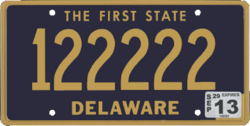
Every state runs its own plate system, so the same combination of letters and numbers can belong to different vehicles in different states. A tag that reads as a pickup in one jurisdiction might be a sedan in another. The reverse tool needs the issuing state to know which database to open. If you saw the car out of state, the plate still belongs to the state that issued it, which is usually printed on the tag itself. Some plates carry a state name, a motto, or a graphic that helps you identify the issuer.
What the Returned VIN Opens
When a reverse lookup yields a VIN, the value grows quickly. The VIN is unique to one vehicle for its entire life, so it becomes a reliable key for further checks. You can run the VIN through a free recall search to see open safety campaigns, and through paid history services to view title brands, odometer readings, and accident entries. Insurers and lenders use the VIN to confirm identity when they price coverage or check a lien. A plate can be transferred or reissued, but the VIN stays with the car, which is why it outranks the tag as evidence.
What a Delaware Reverse Lookup Returns
A reverse result is a vehicle profile, not a person profile. It describes the car attached to the plate and, when available, points you toward its documented past. The depth varies by tool and by state, since some jurisdictions release more title data than others. Expect firm basics and patchy history. The sections that follow separate the reliable fields from the thin ones, and name the categories that no reverse lookup can reach.
Vehicle Details
The most dependable output is the set of physical facts about the car. Make, model, model year, and body style usually appear since they are tied directly to the registration record. Many tools add color, fuel type, door count, and engine size when the feed carries them. You may see the plate status, meaning whether the tag is active, expired, or reported stolen, though status can change without warning. Some services return a partial or full VIN, which is the most valuable field of all. These details let you confirm that the tag belongs to the vehicle you observed.
Title, Accident and Odometer Records
History fields are the ones buyers care about most, and they are the least consistent in free results. A title brand such as salvage, rebuilt, flood, or lemon tells you the car was written off or repaired in a way that affects value. Accident entries come from insurance claims and police reports, so they appear only when someone filed a claim or a report. Odometer readings are captured at title transfers and inspections, which means gaps are normal and a sudden drop is a red flag. Free tools rarely expose all of this; paid reports gather it from multiple sources.
What It Cannot Show
A reverse lookup cannot identify a driver, and it cannot hand you a name, address, or phone number. Privacy law blocks that release except for permitted parties with a valid purpose. It cannot show live location, current speed, or where the car is right now; plates are not tracking devices. Insurance details, payment history, and personal credit information stay out of reach. A clean history report does not prove a car was never damaged, only that no damage was recorded. Likewise, a missing accident entry does not mean no accident happened. A reverse lookup answers what a car is, not who owns it or how it was treated.
When a Reverse Search Helps
A reverse lookup earns its place in a few concrete situations where the plate is the only identifier you have. It helps when you are standing in front of a car, when you are describing a vehicle to an authority, or when you are checking a claim someone made about a specific tag. In each case the value comes from turning a visible plate into a verifiable vehicle description. The examples below show where the tool fits and where a different channel does the job better.
Confirming a Used Car
When a seller lists a car with a photo of the plate, a reverse lookup can confirm the make, model, and year before you drive out to see it. That quick check catches obvious mismatches, such as a listing that claims a newer trim than the plate supports. Once you are face to face with the vehicle, pull the VIN from the dashboard or door jamb and run the recall search and a history report. The plate gets you to the right car; the VIN gets you to its past. Ask to see the title and compare its VIN to the car and to any report you bought.
Reporting a Bad Driver
If you witness dangerous driving, aggressive behavior, or a hit-and-run, a reverse lookup can help you describe the vehicle accurately when you contact authorities. Note the plate, the state, the time, and the location, then confirm the make and model through a lookup so your report is precise. Do not try to identify or confront the driver yourself. Write down the plate, the state, the time, and the place as soon as you can, so the details stay fresh. Do not follow the car or attempt to stop the driver, since that can turn a report into a confrontation.
Checking a Recall or a Towed Vehicle
Recalls and tow situations both benefit from a reverse search, for different reasons. If you have a plate and want to know whether the car has open safety campaigns, resolve the plate to a VIN and run the free federal recall check; unrepaired defects are worth knowing about before a purchase. For a recall, the plate leads to the VIN, and the VIN leads to the answer. If your own vehicle was towed, a reverse lookup will not tell you where it went, since tow records sit with the towing company or the local authority rather than a public feed.
Running the Search and Avoiding Mistakes
A reverse lookup rewards care and punishes haste. The steps are short, but a small error at the start can produce a result that looks certain and is entirely wrong. The legal boundaries are equally important, since a search that returns vehicle facts is fine, though an attempt to obtain personal data is not. The sections below cover the sequence, the frequent errors, and the rules that always apply.
How the Search Runs
Begin by writing down the plate exactly as you saw it, including stacked characters and any state slogan that helps identify the issuer. Choose the issuing state in the tool before you search, and enter the characters without spaces or dashes. Run the query and read the returned description. Match it against the vehicle you observed; if the body style or model year is clearly wrong, re-check your entry rather than accepting the result. When the tool returns a VIN, copy it down and use it for a recall check and any history report.
- Write down the plate and the issuing state.
- Enter the characters without spaces or dashes.
- Match the returned description to the car you saw.
- Use any returned VIN for a recall and history check.
- Note the time and place for a future report.
Mistakes That Change the Result
Most bad results trace back to a handful of slips. Swapping a letter for a similar-looking digit, such as O and zero, is the classic error, and plate frames that hide a character make it worse. Choosing the wrong state sends the query into a different numbering system entirely. Trusting a single loose match, or one that only partially resembles the car, invites a false finding. Rushing to accuse someone based on a thin profile can harm an innocent person and expose you to risk. Failing to verify the VIN is another frequent gap, since the tag can change even when the car does not.
- Confusing a letter with a similar-looking digit.
- Choosing the wrong issuing state.
- Accepting a partial or loose match.
- Skipping the VIN check.
- Acting on a thin profile before it is verified.
Legal Limits
A reverse lookup that returns vehicle facts sits on solid ground, but using one to pursue a person does not. The Driver’s Privacy Protection Act and state laws restrict how motor vehicle records may be used, which is why personal details stay out of public reach. Do not use a plate to stalk, harass, or track anyone, and do not pass a lookup result off as proof of who was driving. When a plate search is aimed at a vehicle, it stays within bounds; aimed at a person, it does not. If you have a genuine dispute, a hit-and-run, or a fraud concern, route it through law enforcement or the courts, which have lawful authority.
Frequently Asked Questions
These answers cover the questions drivers raise most often about Delaware reverse lookups. They stay within what public data and privacy law allow, so you can plan a search that is both useful and lawful. Where a result must stand up in a legal setting, the right move is an official record rather than a free website.
Can a reverse lookup reveal the driver?
No. Privacy law blocks the release of names, addresses, and phone numbers tied to a plate, so no legitimate tool can identify who was driving. Only permitted parties or law enforcement with a valid reason can obtain personal details. If a site promises otherwise, avoid it.
What information do I need to start?
You need the plate characters exactly as seen and the state that issued the tag. Those two facts let the tool open the right database and find an exact match. A VIN, if you have one, is even more reliable and removes ambiguity entirely.
Does the result prove ownership?
No. A reverse lookup describes a vehicle, not its legal owner. Ownership is shown on a title or registration record that you must request from Delaware Division of Motor Vehicles. A free profile is a starting point for research, not proof of who holds the car.
Can I use a reverse lookup for a court case?
No. Courts and agencies rely on certified records, not on commercial summaries. If you need evidence for a dispute or a filing, request the official document from Delaware Division of Motor Vehicles or work through law enforcement. A free lookup cannot serve as a legal record.
How current is the data?
Freshness varies by state and by provider. Some feeds update within days, though others lag by weeks, so a recent transfer may not appear yet. Always verify key facts with the vehicle itself and confirm anything important through Delaware Division of Motor Vehicles.
Delaware DMV Official Resources
Use these official links for registration status, plate rules, and current fees. Delaware Division of Motor Vehicles is the only source that can issue a certified record or confirm a title. Free lookups are useful for early questions, but the agency settles anything that matters legally.
- Delaware Division of Motor Vehicles Home:
- https://dmv.de.gov
- Delaware Division of Motor Vehicles License Plates and Registration:
- https://dmv.de.gov
- Delaware Division of Motor Vehicles Fees:
- https://dmv.de.gov