South Carolina issues a wide range of license plates, and the plate on your vehicle says a lot about how that vehicle is registered and used. Passenger cars, trucks, motorcycles, trailers, and specialty vehicles each fall into different plate categories, and the state assigns each category its own format, design, and set of rules. Knowing these categories helps you read a plate correctly, confirm that it matches the vehicle it is attached to, and know what a plate lookup can and cannot reveal.
This page walks through the main plate types, the formats behind them, and the way plates connect to official vehicle records. License plates are issued by the state, not by the federal government, so the exact rules, colors, and series patterns differ from one state to another. Even so, most states follow a few shared ideas: a standard passenger plate for private cars, heavier duty plates for commercial vehicles, compact plates for motorcycles, and optional specialty designs for drivers who want them. Knowing which group a plate belongs to is the first move in any plate lookup. From there, the plate number and the state are used to match a vehicle record that is maintained by the state motor vehicle agency.
Relevant Pages
- South Carolina License Plate Lookup
- South Carolina DMV License Plate Lookup
- South Carolina License Plate Owner Lookup
- Free South Carolina License Plate Lookup
- South Carolina Reverse License Plate Lookup
- South Carolina Custom and Vanity Plates
- South Carolina License Plate Types
- Replace a Lost or Damaged South Carolina Plate
- South Carolina License Plate Fees
- Check South Carolina Tickets and Tolls by Plate
- South Carolina VIN Lookup by Plate
South Carolina Plate Types
Plates in South Carolina are organized by how the vehicle is used and how much it weighs, not simply by how it looks. A private car typically receives a standard passenger plate, though a business truck may need a commercial plate, and a motorcycle receives a smaller format. Within each group the state may offer several designs or series. The sections below describe the main categories you are most likely to see on the road and in a plate lookup.
Standard Passenger Plates
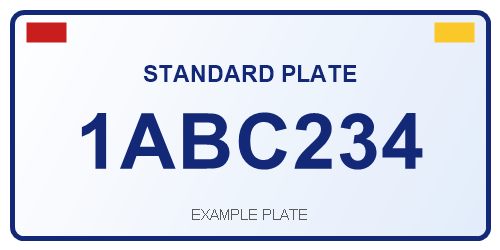
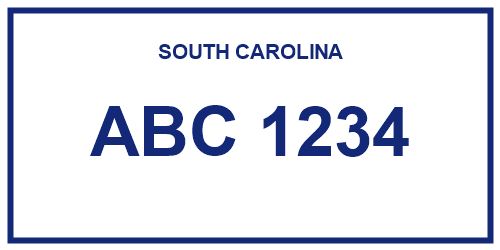
Standard passenger plates are the most frequent plates in South Carolina. They are issued for private cars, passenger vans, and light sport utility vehicles used for personal travel rather than business. These plates usually carry a simple number and letter combination, a state name or nickname, and a design that changes only when the state releases a new general issue. Since they are issued in very large quantities, passenger series are often the first to run out of combinations, which is why states occasionally move to a new pattern or add a symbol. A standard passenger plate is tied to the vehicle identification number, or VIN, on file for that car.
- Issued for private cars, passenger vans, and light sport utility vehicles
- Uses the state general passenger series and a standard design
- Linked to the vehicle identification number on record
- Often replaced every few years as part of plate reissuance
Commercial, Truck and Trailer Plates
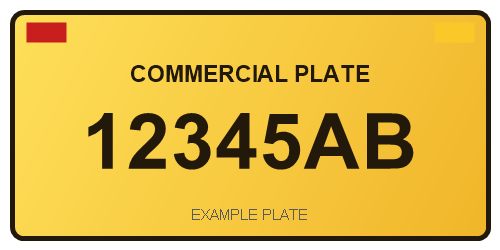
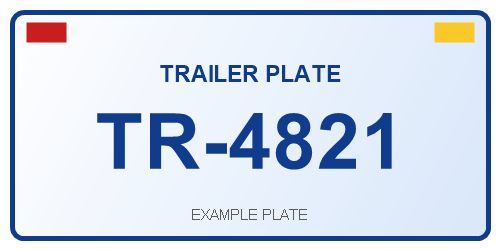
Commercial plates are issued for vehicles used in business, and in many states they are required once a vehicle passes a certain weight. Straight trucks, tractors, box trucks, and some heavy pickups fall into this group. Trailers are registered separately and receive their own plate, so a tractor and its trailer each carry a distinct number even when they travel together. Commercial plates often carry weight class information and may use a different series or a special prefix so that enforcement and toll systems can recognize them. Since commercial vehicles cross state lines and carry heavier loads, their records tend to include additional details such as registered weight and gross vehicle weight rating.
Motorcycle and Smaller Formats
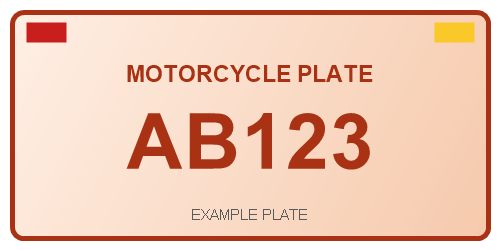
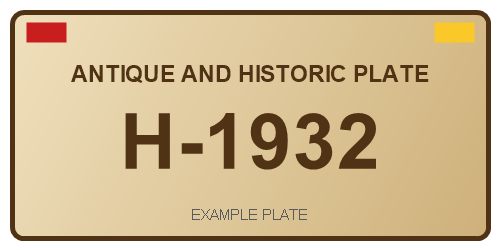
Motorcycles, mopeds, and certain scooters receive plates that are smaller than standard passenger plates so that they fit the rear fender mount. The number of characters is sometimes shorter as well, since the smaller plate cannot hold as many. Motorcycle plates follow their own series and are often identifiable at a glance by their size alone. States may issue reduced size plates for other vehicles, such as trailers or antique cars, when a full size plate will not fit or when a special category calls for it. These plates are physically different, yet, they are registered in the same central system as every other plate.
- Smaller dimensions to fit fender and bumper mounts
- Often use a shorter character series than passenger plates
- Registered in the same central database as full size plates
Personalized and Specialty Plates
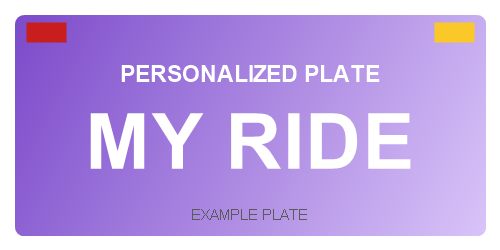
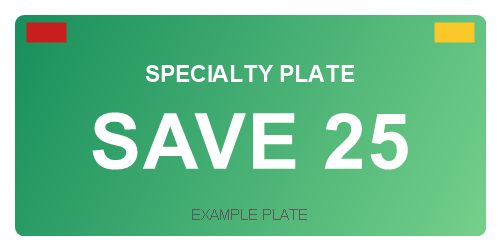
Beyond the standard issue, South Carolina offers personalized plates and a range of specialty designs. Personalized plates let the driver request a specific combination of letters and numbers, subject to availability and content rules that prohibit offensive or confusing combinations. Specialty plates support a cause, organization, college, or interest, and they usually carry an extra charge that is often directed to a program or fund. Examples include plates for veterans, environmental programs, sports teams, and charitable organizations. These plates still belong to a base category, such as passenger or commercial, so the registration rules do not change. What changes is the design and, in many cases, the yearly charge.
South Carolina Plate Formats and Design
Formats vary by state, but the purpose is always the same: to give every registered vehicle a unique number and to make that number easy to read and record. South Carolina organizes its plates into series, and each series follows a pattern of letters and numbers. Knowing the general shape of these patterns helps you avoid transcription errors and helps you recognize when a plate belongs to a commercial or special group. Design elements such as colors, symbols, and slogans change over time and are not reliable ways to identify a single vehicle.
Standard Series
The standard series is the number pattern used for ordinary passenger vehicles. In many states this starts with a combination of digits and then moves through letters as the pool of numbers is used up. For example, a state might issue three digits followed by three letters, then shift to a new arrangement once that set is exhausted. South Carolina publishes the current passenger pattern, and reading it correctly matters since a single mistaken character will return the wrong record or no record at all. Letters that look like numbers, such as the letter O and the digit zero or the letter I and the digit one, are a frequent source of errors.
Commercial and Special Series
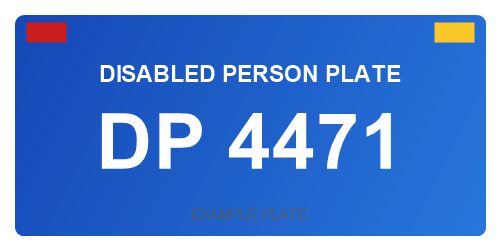
Commercial and special plates often use a distinct series so that they stand out from passenger plates. A state might reserve a certain letter as the first character for trucks, or use a separate run of numbers for trailers, buses, or taxis. Government plates, dealer plates, and transporter plates usually have their own series as well. Since these patterns differ from the standard one, a plate that does not match the passenger format may still be perfectly valid. When a lookup returns no result for a plate that looks unusual, the cause is often that the plate belongs to a special series that must be entered through a different lookup path.
Front and Rear Plate Rules
Most states require a plate on the rear of the vehicle, and many require one on the front. South Carolina has its own rule about front plates, and that rule applies to passenger vehicles and to others. A vehicle registered in a state that requires two plates must display both, and a missing front plate can lead to a citation. Some states issue only a single rear plate, so a vehicle from one of those states will not have a front plate, yet it is fully legal at home. This matters for identification since a lookup may be based on whichever plate an officer or a camera captured.
Plate Types and the Vehicle Record
A plate is more than a piece of metal. It is the public key to a state record that ties a number to a vehicle and to a registration. That record is maintained by the state motor vehicle agency, and it is the source that any legitimate plate lookup draws from. Knowing how the plate connects to the record, and what that record normally contains, helps you use lookups correctly and set realistic expectations about the results.
How a Plate Links to the VIN
Every vehicle has a vehicle identification number, or VIN, a seventeen character code stamped into the vehicle and printed on its title. When a vehicle is registered, the state associates the assigned plate number with that VIN in its database. The plate is, in effect, a nickname for the VIN, and it can change over time, yet the VIN stays the same. A vehicle can receive a new plate when it is sold, when the owner moves, or when the state reissues plates. Since the link is stored in the state system, replacing a plate does not change the vehicle identity, only the number that points to it.
What a Lookup Returns
A plate lookup typically returns information about the vehicle rather than the person who owns it. Typical results include the make, model, model year, body style, and sometimes the state of registration and basic status such as whether the registration is current. Information about an individual owner is usually protected and is released only to parties with a legal right to it, such as law enforcement, insurers, and certain authorized businesses. Since of these limits, you should not expect a plate lookup to reveal a name, address, or phone number. Reputable lookups are clear about what they provide and rely on official or licensed data rather than guesswork.
Identifying Your Plate Type
If you are unsure which category your plate falls into, start with the plate itself. Look at its size, its series, and any words or symbols printed on it. A small plate is likely for a motorcycle or trailer, though a plate that reads commercial or carries a weight class is a commercial plate. The registration card and the title state the plate type and the vehicle use. South Carolina groups plates in ways that follow the vehicle registration class, so the class shown on your paperwork is the most reliable signal.
Frequently Asked Questions
These are the questions drivers ask most often about South Carolina plate types and formats. The answers are general and reflect how plates work across the United States, but the exact details for any vehicle come from the state motor vehicle agency. Plate rules can change when a state releases a new design or series, so current information is always best.
Can two vehicles have the same plate number?
No. A plate number must be unique within the state that issues it. Two different states can issue the same number since each state keeps its own records, but within South Carolina the number identifies only one vehicle.
Does a specialty plate change how my vehicle is registered?
No. A specialty or personalized plate changes the design and often the charge, but the registration class stays the same. The vehicle is still registered as a passenger car, truck, or other category based on its use and weight.
How can I tell if a plate is commercial?
Commercial plates usually carry a distinct series, a weight class, or the word commercial. The vehicle registration documents state whether it is registered for commercial use. If you are unsure, check the paperwork or ask South Carolina Department of Motor Vehicles (SCDMV).
Why does a lookup sometimes return no result?
A lookup can fail when the plate number is mistyped, when the plate belongs to a special series, or when the record is not yet updated. Plates that were recently issued or replaced may not appear right away. Verify the number and try again, or contact South Carolina Department of Motor Vehicles (SCDMV).
Are front plates required everywhere?
No. Requirements vary by state, and South Carolina has its own rule. Some states require both front and rear plates, though others issue only a rear plate. Displaying the plates your state requires keeps you in compliance.
South Carolina DMV Official Resources
For current plate rules, formats, and charges, use the official South Carolina sources below. South Carolina Department of Motor Vehicles (SCDMV) is the authority for registration, plates, and payments, and its website is the fastest way to confirm the details that apply to your vehicle.
- South Carolina Department of Motor Vehicles (SCDMV) Home:
- https://www.scdmvonline.com
- South Carolina Department of Motor Vehicles (SCDMV) License Plates and Registration:
- https://www.scdmvonline.com
- South Carolina Department of Motor Vehicles (SCDMV) Fees:
- https://www.scdmvonline.com