Washington license plate lookup has become a first move for many drivers, and a free tool is where most people begin. You type a tag number and the service returns a short set of vehicle facts tied to that sequence, such as the make, model year, and body style. It will not hand over a stranger’s name, home address, or phone number, since federal and state privacy rules block that release. What you get instead is a way to confirm that a plate you already saw matches the car in front of you.
Treat the result as a clue you can verify, not as proof you can rely on alone. Free lookups work best when you know what the tool can and cannot do. Most services pull from broad public and commercial data, so a fresh result for a plate you just spotted may lag behind a title transfer that happened last week. The strongest results appear when you pair the tag with a state, a VIN, or a bill of sale. This page walks through what a free Washington search returns, how to run one, which situations call for it, and how to protect yourself from inaccurate or predatory services. The goal is a careful read of the facts rather than a quick accusation.
Relevant Pages
- Washington License Plate Lookup
- Washington DMV License Plate Lookup
- Washington License Plate Owner Lookup
- Free Washington License Plate Lookup
- Washington Reverse License Plate Lookup
- Washington Custom and Vanity Plates
- Washington License Plate Types
- Replace a Lost or Damaged Washington Plate
- Washington License Plate Fees
- Check Washington Tickets and Tolls by Plate
- Washington VIN Lookup by Plate
What a Free Washington Lookup Returns
A free result is thinner than most people expect. The service confirms that the plate format is valid for Washington, then returns a small set of vehicle attributes drawn from registration and title feeds. You rarely receive a full record, and you almost never receive personal contact details. Knowing this boundary before you search saves frustration, since many users assume a free tool will name the owner of any car on the road. It will not, and no legitimate free site can do so. The sections below set out what appears, what stays hidden, and where official records fit.
The Vehicle Facts a Free Tool Shows
A typical free lookup returns the basics that describe the vehicle rather than the person. You may see the make, the model, the model year, and a general body style such as sedan, pickup, or SUV. Some tools add the fuel type, the number of doors, or the engine size when the licensed data carries it. These facts help you confirm that a plate belongs to the car in front of you rather than a similar vehicle parked a row away. The result may flag whether the tag is currently active or has been reported as expired, though that status can shift within days.
What Usually Costs Money
Depth is where paid products separate themselves from free ones. A free search might stop at make and model, though a paid report layers on title brands, salvage history, prior odometer readings, accident entries, and lien status. Those records cost money to license since they come from state title databases, insurance claims, and auction archives rather than a single public file. Paid tools tend to refresh faster, so a transfer recorded last week may show up sooner than it would in a free feed. None of this makes the paid result official; it is still a summary compiled by a private company.
Free Tools vs Official Records
Official records live with Washington State Department of Licensing (DOL) and with the state agencies that hold title, lien, and driver data. Those offices release information only to people with a recognized reason, such as the registered owner, a lienholder, an insurer, or law enforcement acting on a case. Free lookup sites sit outside that circle. They aggregate public and commercial data, then present a limited slice under their own terms of use. That difference matters when accuracy is critical. A free result can help you shop, but it cannot substitute for a title search, a lien check, or a certified record from Washington State Department of Licensing (DOL).
How to Run a Free Washington Search
Running a search takes a minute, but running it well takes a little discipline. The order of your steps decides whether the result is useful or misleading. Start with the cleanest input you have, confirm the returned vehicle against what you can see, and then check the safety items that free data actually covers. Skipping the confirmation is the single most frequent mistake, since a wrong character in the tag produces a confident answer about the wrong car. The three steps below turn a quick query into a reliable check you can act on.
Start With the Plate Number
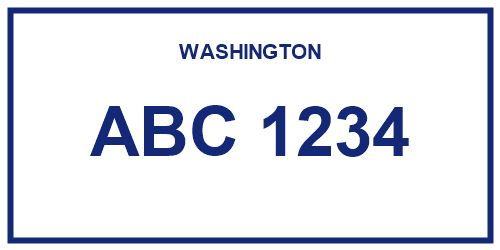
Type the tag exactly as it appears, including any stacked characters or special symbols. Washington plates can mix letters and numbers, and a single swapped digit often points to a different vehicle entirely. Remove spaces, dashes, and decorative frames from your mental image before you type, since those are not part of the sequence. Include the state so the service does not search the wrong jurisdiction, since the same combination can exist in several states. If you have the VIN, run that instead; it is unique and removes almost all ambiguity. Double-check the result count before you trust anything. If the service returns multiple matches, your entry was probably too loose, so refine it.
- Copy the characters in the exact order shown.
- Include the issuing state in the search.
- Drop spaces, dashes, and plate frames.
- Use the VIN when you can reach it.
Check the Returned Vehicle
Once the tool returns a description, hold it against reality. Does the body style match, does the model year line up with what the seller claimed, and does the color note agree with the paint? Small mismatches may reflect outdated data, but large ones usually mean you searched the wrong plate. Look for the active or expired flag and treat an expired tag as a reason to ask more questions rather than a reason to accuse. If the returned make and model differ from the car you inspected, stop and re-enter the tag before you build any theory.
Check a Recall for Free
Recalls are the one safety check that free tools handle well, since manufacturers publish open campaigns for anyone to read. Take the VIN from the vehicle or from a paid report, then enter it into the federal recall search run by the National Highway Traffic Safety Administration. The tool shows unrepaired campaigns and tells you whether the car is affected. This check costs nothing and can reveal a serious defect that the seller never mentioned. A recall is not the same as an accident, so do not confuse the two. An open recall simply means a repair has not been logged yet, and any franchised dealer can usually perform it.
- Find the VIN on the dashboard or door jamb.
- Enter it in the federal recall search.
- Note any campaign still marked unrepaired.
- Have a franchised dealer perform the fix.
Free Washington Lookup by Situation
The same tool serves different goals depending on why you opened it. A buyer wants history, a resident who received a note wants context, and a driver whose car was towed wants to know where it went. Each situation has a slightly different path and a different limit on what free data can return. Reading the scene before you search keeps you from expecting owner names that privacy law will never release. The three typical cases below show how to aim the same lookup at the right question.
For a Used Car
When you are considering a purchase, the plate is a shortcut to the vehicle’s identity, but the VIN is the real key. Use the tag to confirm the car matches the listing, then pull the VIN from the windshield or door jamb and run it through a paid history report and the free recall check. Free lookups can confirm the year, make, and model, which helps you spot a seller who misstates the trim. They rarely reveal salvage brands or rolled-back odometers, so do not rely on them alone. Ask the seller for the title, compare the VIN on it to the car, and watch for a rebuilt or salvage notation.
For an Owner Question
Sometimes a plate turns up in a note on your windshield, in a parking dispute, or in a photo sent by a neighbor. In those moments people hope a free lookup will name the owner. It will not. Privacy rules keep names and addresses out of public reach, and a site that claims otherwise is either scraping data you should avoid or selling a lead. What you can do is confirm that the plate matches the vehicle involved and then bring the matter to the right place. A parking complaint goes to the property manager or the local police non-emergency line. A hit-and-run goes to law enforcement, who can request official records that you cannot.
For a Towed Vehicle
If your car was towed, a free plate search usually cannot tell you where it went. Tow records are held by the towing company, the property owner, or the local authority, not by a public lookup feed. What you can do is call the non-emergency police line or the city parking office and give them the plate and the location where the car was last parked. They can confirm whether a tow was logged and point you to the yard. Bring your registration and identification when you collect the vehicle, since the release desk will ask for proof of ownership.
Accuracy, Privacy and Safety
Two forces shape every lookup: the quality of the data and the wall of privacy law around personal identity. Neither is optional, and both explain why results can feel incomplete. A free tool may be perfectly honest and still return a stale or partial answer, since that is all the feed contains. At the same time, a service that promises owner names is almost always doing something it should not. The sections below cover why accuracy varies, which limits never move, and how to spot a service that is not worth your trust.
Why Accuracy Depends on the Entry
Accuracy begins with what you type and continues with what the feed holds. A transposed character, a missing state, or a plate frame that hides a symbol can send the query to the wrong record. On the data side, title transfers, reprints, and address changes reach commercial feeds on different schedules, so a car sold last week may still show the previous description. Some states refresh quickly and others lag, which means the same tool can feel sharp in one place and slow in another. Always match the returned vehicle to the physical car, and never treat a single field as proof.
The Privacy Limits That Always Apply
The Driver’s Privacy Protection Act and state laws restrict how motor vehicle records may be used and shared. That is why no legitimate free lookup will hand you a name, a home address, or a phone number tied to a plate. That data is limited to permitted purposes, such as by the owner, an insurer, a lienholder, or law enforcement with a valid reason. A site that offers personal details for free is likely assembling them from unrelated breaches or reselling them in ways that could expose you to legal risk. Even when you have a real grievance, you cannot self-serve into someone’s identity. Curiosity about a neighbor is not a permitted purpose under the rules.
Warning Signs of a Shady Service
Watch for the promises that no honest tool can make. A claim to reveal owner names, addresses, or phone numbers for free should end your visit immediately. So should a demand for a full Social Security number, a driver’s license photo, or payment by gift card. Be wary of sites that hide the price until after you enter a plate, that bury recurring charges in the sign-up flow, or that flood you with pop-ups and redirects. Check whether the site names the data sources it uses and publishes a real privacy policy; vague language is a red flag. Look for a physical address and a way to cancel.
- Promises of owner names or addresses.
- Requests for a full Social Security number.
- Hidden or recurring charges.
- No privacy policy or contact address.
Frequently Asked Questions
These are the questions readers ask most often about free plate lookups in Washington. The answers below stay within what public data and privacy law allow, so you can set realistic expectations before you search. Where a task needs an official document or a legal reason, the honest answer is to contact Washington State Department of Licensing (DOL) or law enforcement rather than a free website.
Can a free lookup show the owner’s name?
No. Federal and state privacy laws keep names, addresses, and phone numbers out of public reach, so a legitimate free tool cannot return them. If a site claims it can, treat that as a warning sign and leave. Only the owner, permitted parties, or law enforcement acting on a valid reason can obtain that information through official channels.
Is a free Washington lookup accurate?
Accuracy depends on your entry and on how current the data feed is. A correctly typed plate matched against a fresh feed can be reliable for make, model, and year, but title transfers and status flags may lag. Always confirm the VIN and check a recall, and request an official record from Washington State Department of Licensing (DOL) when the stakes are high.
Do I need a reason to run a search?
A basic vehicle lookup that returns no personal data usually does not require a stated purpose. Personal information, though, is limited to permitted uses under privacy law. If you need identity details, you must go through a lawful channel such as law enforcement or the courts.
Can I look up a plate from another state?
Yes, many tools accept plates from any state, but you must select the correct jurisdiction or the search may fail. The same character combination can exist in more than one state, so the issuing state matters. For a definitive record, contact the agency that issued the plate.
What should I do if the result is wrong?
Re-check the tag, confirm the state, and try again, since a single wrong character changes the record. If the description still does not match the car, treat the lookup as unusable rather than forcing an answer. For a dispute or a legal matter, ask Washington State Department of Licensing (DOL) for a certified record.
Washington DMV Official Resources
Use these official links for registration status, plate rules, and current fees. Washington State Department of Licensing (DOL) is the only source that can issue a certified record or confirm a title. Free lookups are useful for early questions, but the agency settles anything that matters legally.
- Washington State Department of Licensing (DOL) Home:
- https://www.dol.wa.gov
- Washington State Department of Licensing (DOL) License Plates and Registration:
- https://www.dol.wa.gov
- Washington State Department of Licensing (DOL) Fees:
- https://www.dol.wa.gov